
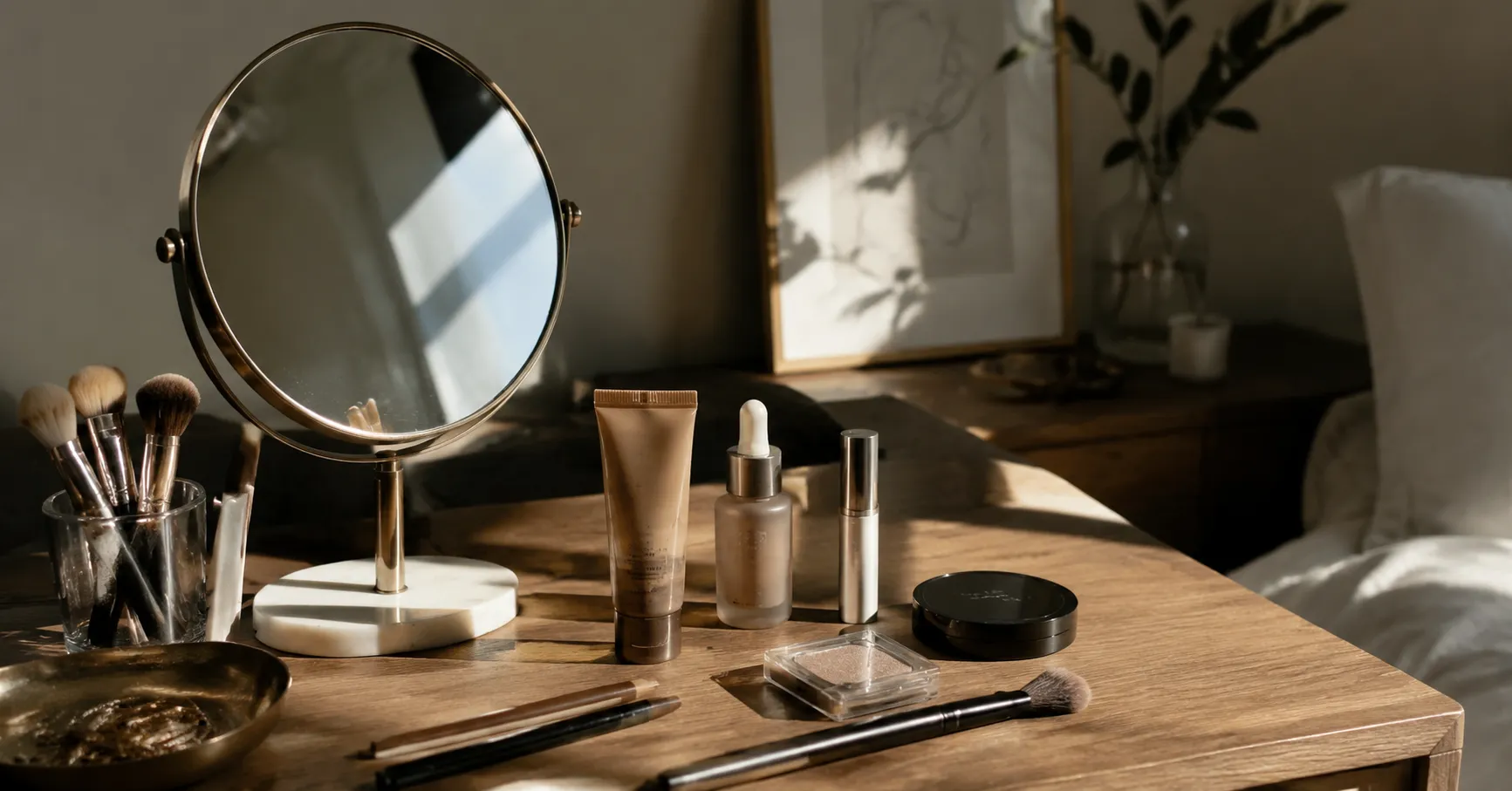
There’s a particular kind of irony baked into the phrase “no-makeup makeup.” You’re spending twenty minutes in front of a mirror, layering products with precision, just so someone can look at you and think she’s not wearing anything. It sounds contradictory. It might even sound exhausting. But once you understand what this look is actually trying to do, the whole thing clicks into place, and the process starts to feel less like a performance and more like learning your own face for the first time.
The goal here isn’t invisibility. It’s believability. There’s a meaningful difference.
Why Most Beginners Get It Wrong Right Away
The most common mistake isn’t choosing the wrong product it’s misunderstanding the brief. People hear “natural” and immediately think “less.” So they skip foundation, swipe on some tinted moisturizer, add mascara, and call it done. The result looks undone, not effortless. There’s a flatness to it, a kind of visual shrug.
No-makeup makeup isn’t minimal effort. It’s effort that hides itself. The skin has to look like skin not like a filter, not like a blur, but like genuinely healthy, alive skin with texture and variation. That means you actually have to know what your skin looks like when it’s at its best, and work toward recreating that, not smoothing over it entirely.
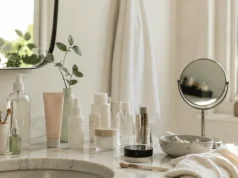
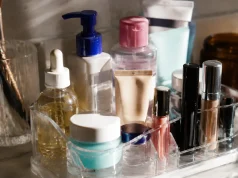
This is why skincare is the non-negotiable foundation of all of this. Not as a throwaway caveat, but as a structural reality. A hydrating serum applied fifteen minutes before you start will do more for your natural glow than any highlighter ever could. The products you put on top are only going to look as good as what they’re sitting on.
Picking the Right Base and Learning What “Right” Actually Means for You
Foundation selection for a no-makeup look comes down to one principle: you want coverage that corrects without masking. A full-coverage matte foundation is, for most people, the exact opposite of what you need here. It reads as makeup. It settles into fine lines differently. In unflattering lighting, it looks like a layer.
What you want instead is something buildable and skin-like. Tinted moisturizers, skin tints, and serum foundations are all worth exploring depending on your coverage needs. The key isn’t the product category it’s the finish. You’re looking for something that lets the natural variation of your skin come through: a slight shadow near your nose, the natural warmth at your cheekbones, the way your forehead reflects light differently than your chin.
Application matters just as much as formula. Fingers are underrated here. Warmth helps sheers blend imperceptibly. A damp sponge works beautifully for anything that needs light buffing. The goal is to make it impossible to tell where the product ends and your skin begins.
Concealer, when you use it, should be used sparingly and strategically. Under the eyes, a shade slightly lighter than your skin tone not dramatically so will brighten without looking chalky. On blemishes, a single precise tap with your fingertip, well-blended at the edges, is enough. The instinct to pile on more is something to resist. With concealer in a no-makeup look, less actually is less and that’s the point.
The Brow Question That Changes Everything
Ask any makeup artist what single product makes the biggest difference in a no-makeup look, and a surprising number will say brows. Not mascara. Not skin. Brows.
Well-groomed, naturally filled brows frame the face in a way that reads as health and intention without ever looking like makeup. The trick is working with your existing hair rather than drawing on a shape from scratch. A tinted brow gel for most people is genuinely all that’s needed it lays hairs in place, adds a whisper of color where needed, and creates definition that looks effortless because it follows your natural architecture.
If you have sparse areas, a fine-tip brow pencil used in short, hair-like strokes (never a solid line) fills them convincingly. The color should match your hair, or go one shade lighter. Darker almost always reads as drawn-on, which breaks the illusion entirely.
Cheeks, Eyes, and the Art of Choosing Where to Put Color
Here’s where a lot of people overthink things. The no-makeup look isn’t about avoiding color it’s about color that looks like it’s coming from inside rather than sitting on top.
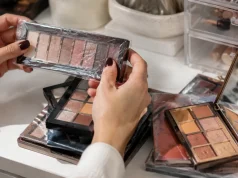
For cheeks, a cream blush applied with fingers to the apples of the cheeks and blended upward toward the temples gives that flushed, just-been-outside look. The finish is everything. Powder blushes can work, but cream sinks into skin in a way that reads as more natural, especially in photos. Peachy pinks and warm corals are forgiving and almost universally flattering for daytime. Mauve and berry tones can still feel natural, but they require lighter application too much and you’ve crossed into editorial territory.
Eyes are where most beginners either overcomplicate or undercorrect. The no-makeup eye isn’t bare it’s enhanced to look like a great version of itself. A single coat of brown or black mascara on the upper lashes does most of the work. If you want more definition without the visual weight of eyeliner, try a brown eyeshadow in the lash line, applied with a thin brush or even a Q-tip, and blended immediately. It mimics the look of fuller lashes without any visible product.
Nude or sheer pink lip gloss or a tinted lip balm finishes the look without demanding attention. The lips should look hydrated and present, not invisible but not competing with the rest of your face either.
The Part Nobody Talks About: Setting Without Killing the Glow
One undervalued skill in pulling off this look is knowing how to set your makeup in a way that keeps it in place without adding a layer of dry, powdery finish on top of everything you just did.
If you need to set at all and for oily skin, you probably do a very light dusting of finely-milled translucent powder on the T-zone only is enough. The rest of the face, especially the cheekbones and outer areas, should stay dewy. Setting spray is another excellent option and often the more forgiving one; a light mist from about twelve inches away melds everything together and restores any hydration you may have buffed away during application.
The instinct to set the entire face heavily is rooted in a fear of shine. But in a no-makeup look, a little shine is not the enemy. Healthy skin has luminosity. Total matteness reads as product. The goal is to look like someone who takes good care of herself, not someone who has been professionally retouched.
Practice Makes Imperceptible
There’s a learning curve here that’s worth naming honestly. The first time you try this, it might not look quite right. You might overcorrect in one area or underdo another. The blush might sit a little higher than you meant, or the concealer might not blend as seamlessly as you hoped.
That’s normal, and it’s actually part of what makes this look worthwhile to master. Because the process of learning to do no-makeup makeup teaches you something that goes beyond technique it teaches you to look at your face clearly, without judgment, and understand what it needs rather than defaulting to habit or trend. You start to see your skin as something to work with rather than over.
Once that shift happens, getting ready in the morning starts to feel different. Lighter, somehow. Less performative. More like a small ritual of care than a task to complete before you can leave the house.
And ironically, that’s exactly the feeling the look is supposed to give everyone else.