
Why Skin Prep is90% of Your Everyday Makeup Success
The Morning I Realized I’d Been Doing It Backwards
Picture this: Sara a friend of mine who works in PR, always put-together, the kind of person whose desk is somehow both functional and aesthetic texted me a photo of her makeup at 2pm. Full face, applied that morning. Foundation had separated into patches. Concealer was creasing so badly it looked like she’d drawn lines under her eyes on purpose. Her message just said: “Why does this keep happening.”
I knew exactly why. Because I used to look the same way by noon.
Here’s the thing nobody tells you up front: your makeup is only as good as what’s underneath it. Not your foundation formula. Not your technique. Not the $60 brush you finallycaved and bought. The skin prep you do in the first five minutes of your routine determines whether everything that comes after holds on or gives up.
Skin prep is the foundation. Everything else is furniture.
What “Skin Prep” Actually Means (It’s Not Just Moisturizer)
People hear “skin prep” and think it means slapping on some lotion and calling it a day. That’s part of it but only part.
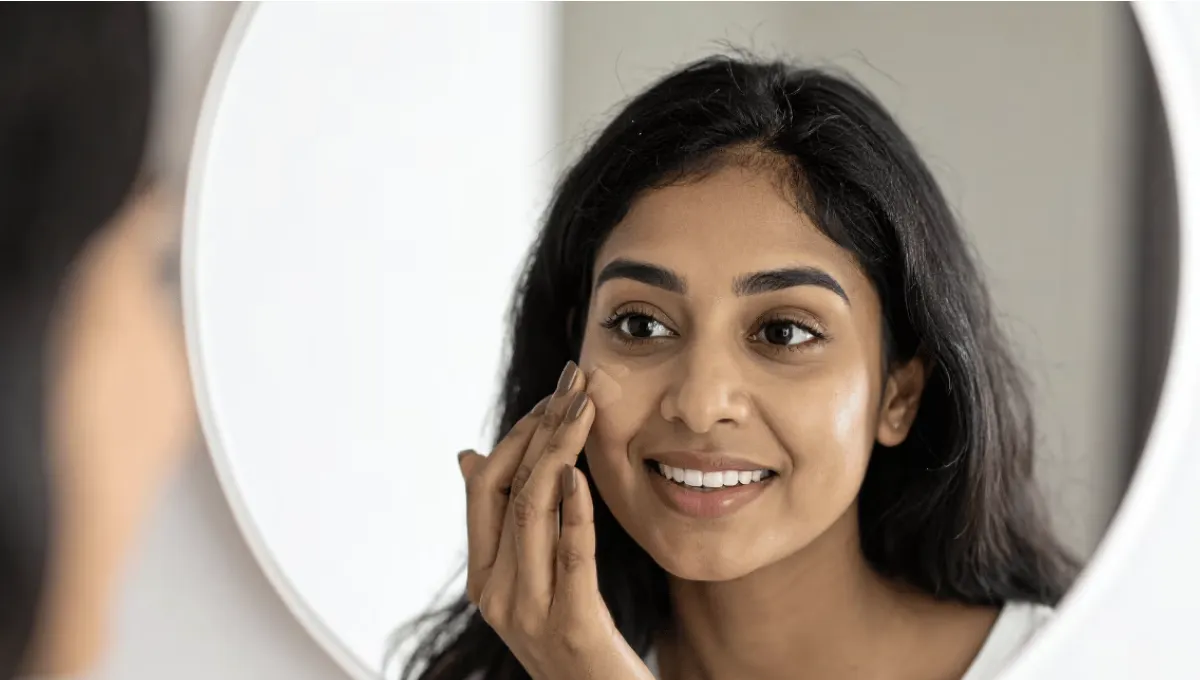
Real everyday skin prep is a three-layer process: cleanse, hydrate, and prime. You’re essentially creating a surface that makeup can grip, blend into, and stay on. Skin that’s dry, dehydrated, or clogged with yesterday’s SPF and sebum is a terrible canvas. Makeup on top of that is just a disaster waiting to happen around hour three.
Cleansing matters more than most people admit. A quick rinse doesn’t cut it if you wore sunscreen the day before and you were wearing sunscreen, right? Oil-based cleansers or balms break down product residue in a way that water alone can’t. This isn’t about stripping your skin down to squeaky. It’s about starting neutral.
Then comes hydration, and this is where most people shortchange themselves. Layers matter here. A hydrating toner or essence applied while skin is still slightly damp actually locks in moisture more efficiently than a single heavy moisturizer. The skin absorbs smaller molecules first, then you seal everything with something richer. Apply them in the wrong order and you’re basically putting a raincoat on before a t-shirt.
The Mistake I Kept Making for Two Solid Years
Okay, I’ll be the first to admit it: I used to skip toner entirely because I thought it was a throwaway step invented by beauty brands to sell more products. Classic skeptic move. What I didn’t account for was that my moisturizer was sitting on top of dry, slightly rough skin instead of sinking into something prepped and receptive.
My foundation looked okay for maybe45 minutes. Then it just… drifted. Settled into dry patches around my nose. Clung weirdly to fine lines I didn’t even know I had.
It wasn’t until I started using a hydrating toner nothing fancy, a simple glycerin-based one that I noticed my foundation suddenly looked like it belonged on my face. Not like a mask that was slowly losing the argument with gravity.
The toner wasn’t magic. It was just doing the job I’d been refusing to give it.
Why Primer Gets Misunderstood
People either skip primer because they think it’s unnecessary, or they buy the wrong one and then swear off primers forever. Both are understandable mistakes.
Primers aren’t a universal product. A silicone-based primer works brilliantly for smoothing texture and extending wear on normal-to-oily skin. On dry skin, that same primer can make foundation look patchy within hours it sits on top of the skin instead of binding with it. A water-based or hydrating primer plays much nicer with dry or dehydrated skin types.
The other thing worth saying even though it makes primer sound less glamorous is that a good moisturizer plus a few minutes of wait time can sometimes do what a primer does. The skin needs to settle. If you apply foundation thirty seconds after your moisturizer, you’re basically working into wet paint.
Give it five minutes. Just five. That pause alone changes things.
Skin Prep for Everyday Makeup Isn’t the Same as Skin Prep for a Full Face
This distinction matters if you’re not wearing a full beat every day. For a tinted moisturizer-and-mascara kind of morning, you still need the hydration base, but you can skip the heavier silicone primer. A lightweight SPF moisturizer does double duty. Simple skin prep for everyday wear doesn’t have to be a seven-step ritual.
The goal is just a surface that’s hydrated, smooth, and stable. That’s it. You’re not prepping for a photoshoot although honestly, if you nail the prep, your skin will look like you are.
But and here’s where it gets slightly counterintuitive some days your skin doesn’t need more product. It needs less. If you woke up and your skin feels balanced, a hydrating mist and a quick SPF might be all the prep your lightweight makeup needs. Loading on layers when your skin is already cooperating can actually cause more separation later. Read the room. Your skin is telling you things.
The Part Most Tutorials Skip Entirely
Texture specifically, what you do about it.
Dry patches and uneven skin texture are the number one reason foundation looks “off” even when the color match is perfect. But here’s what most everyday tutorials breeze past: you can minimize texture with prep, not just with coverage.
A small amount of exfoliation two to three times a week removes the dry, flaky surface cells that catch foundation and make it look patchy. Chemical exfoliants a gentle AHA like lactic acid do this without the physical scrubbing that can irritate skin. You don’t need to exfoliate daily. Over-exfoliating is its own problem, and I learned that the hard way during a period when I figured more was definitely better. My skin disagreed loudly.
On the mornings after you’ve exfoliated, your skin feels almost polished. Your moisturizer absorbs differently. Your primer if you’re using one sits more evenly. And your foundation? It looks like skincare, not a layer you applied.
Setting the Stage Before the Show
When Sara asked me what to do differently, I didn’t tell her to buy a new foundation. I told her to change what she was doing in the first five minutes.
She texted me three weeks later. Different message, different photo. Same foundation. Her face at 3pm looked almost identical to her face at 8am. Not because she’d discovered some miracle product but because the surface she was working on had finally changed.
Does that mean skin prep solves everything? No, honestly. If your foundation formula is truly wrong for your skin type, prep can only take you so far. But the gap between “makeup that lasts” and “makeup that barely survives brunch” almost always lives in those early minutes before a single drop of product goes on.
So before you blame your foundation, before you buy the setting spray, before you watch another tutorial on blending technique ask yourself what’s actually happening underneath. That’s where the real work is.