
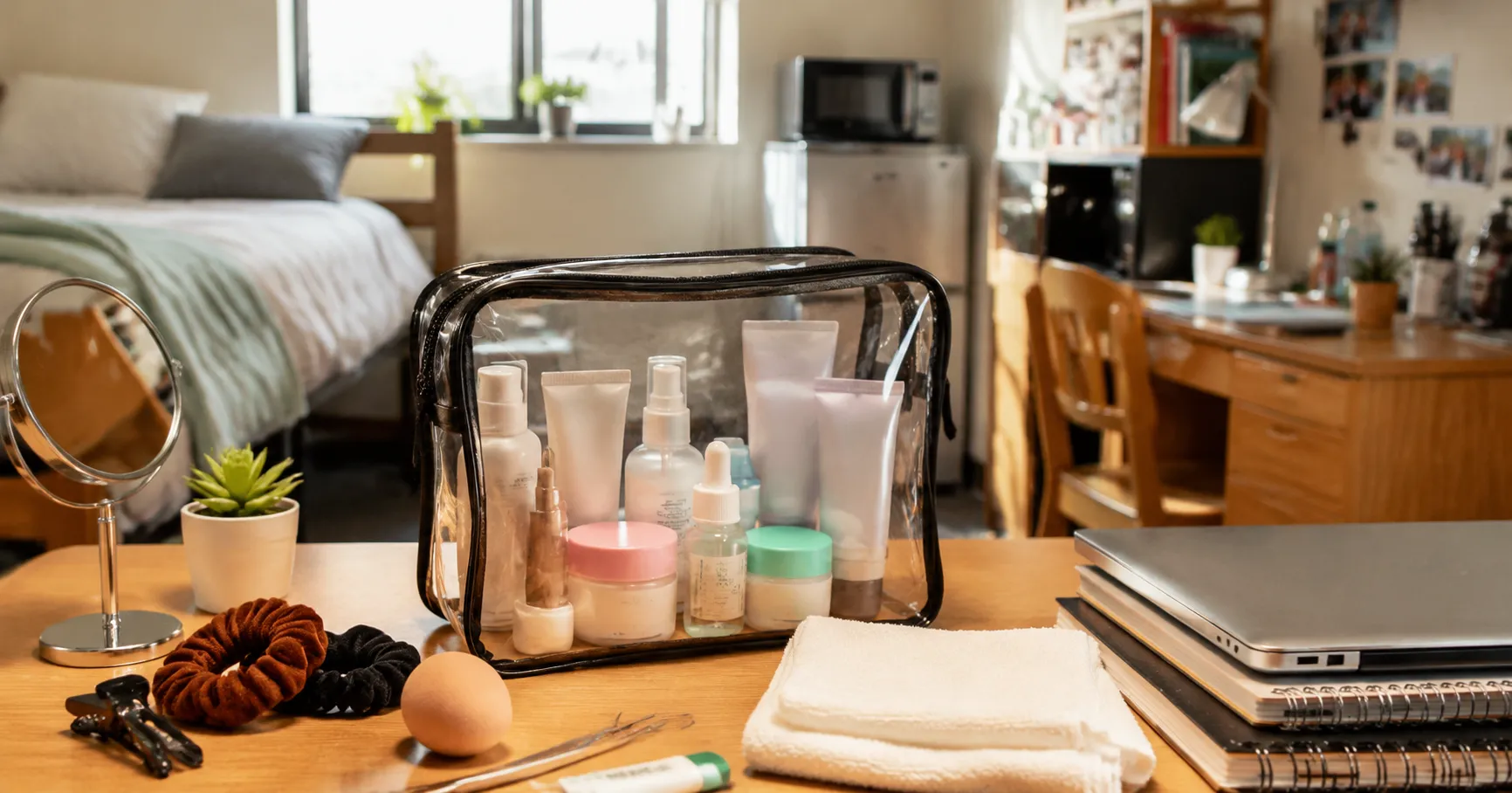
College is the first time most of us are fully in charge of our own routines what we eat, when we sleep, and yes, how we take care of our skin and appearance. It’s also the first time we’re doing all of this on a budget that may or may not include ramen as a legitimate dinner option. The beauty industry loves to tell you that looking good requires spending a lot. It doesn’t. But figuring out what actually works versus what’s just clever marketing? That takes some hard-won experience most eighteen-year-olds simply haven’t had yet.
This is that experience, condensed.
Start With Your Skin, Not Your Makeup
There’s a logic trap a lot of college students fall into: they spend twenty dollars on concealer to cover breakouts they could have prevented with a five-dollar cleanser. Skincare isn’t glamorous. It doesn’t photograph well and it won’t get you compliments the same day you start. But it’s the single highest-return investment in a budget beauty routine, and the results compound over time in a way that no highlighter ever will.
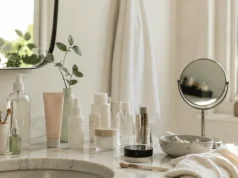
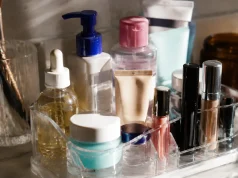
The baseline you actually need is simpler than any influencer would have you believe. A gentle face wash that doesn’t strip your skin. A moisturizer with SPF for daytime. That’s genuinely it to start. If you’re prone to breakouts, a salicylic acid cleanser or a niacinamide serum can be added later but the instinct to buy ten products at once because they all sound promising is how you end up with a cluttered shelf and an irritated face.
CeraVe, Neutrogena, and The Ordinary have become something of a cult trinity among budget-conscious skincare people, and for good reason. They’re not trendy. They don’t have pretty packaging. They’re just formulated well and priced fairly. The CeraVe Hydrating Cleanser and their AM moisturizer with SPF 30 will run you under twenty dollars combined and outperform most department store alternatives.
The Makeup Edit: Less Is Actually More Useful
When budget is tight, the wrong move is trying to buy a little of everything. A foundation, a palette, a mascara, a blush, a lip product suddenly you’ve spent eighty dollars and none of it is particularly good quality. The smarter approach is to pick a few items that do the most work and invest there.
Mascara is the highest effort-to-impact ratio item in any makeup bag. It opens the eyes, adds definition, and makes you look awake even when you categorically are not. The L’Oréal Telescopic or Maybelline Sky High are drugstore options that compete genuinely with luxury alternatives not just according to beauty bloggers, but in blind tests that have circulated for years. Either one costs around ten dollars.
A tinted moisturizer or skin tint is worth more than a full-coverage foundation for most college students, for two reasons. First, it’s forgiving you apply it fast, blend it fast, and it doesn’t require primer or setting spray to look decent. Second, it doesn’t cling to dry patches or emphasize texture the way heavier foundations do, which means it looks better on the kind of skin that’s been stressed, under-hydrated, and surviving on four hours of sleep. e.l.f.’s Halo Glow Tint is a frequent recommendation in this category and comes in at around fourteen dollars.
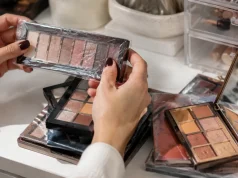
For everything else blush, bronzer, eyeshadow a single well-chosen palette beats buying individual products every time. NYX and e.l.f. both produce palettes in the ten to fifteen dollar range that are genuinely pigmented and versatile. One warm-toned palette can function as eyeshadow, blush, and bronzer simultaneously if you know what you’re doing, which brings up an important point.
The Skill Gap Is Free to Close
Half of what separates someone who looks polished from someone who looks like they tried and missed isn’t product quality it’s technique. And technique is something you can learn for free on YouTube in a way that simply wasn’t possible ten years ago.
This matters for a budget context because it changes the math entirely. A ten-dollar product applied with good technique will almost always outperform a forty-dollar product applied carelessly. Learning to blend eyeshadow properly, to apply blush in a way that suits your face shape, or to do a clean cat liner with a cheap angled brush these are skills that cost you nothing but an hour of practice and permanently raise the ceiling on what your existing products can do.
Brushes, by the way, are one of the few areas where spending slightly more makes a measurable difference. Not because expensive brushes are magic, but because very cheap brushes shed bristles, apply product unevenly, and are difficult to clean. A basic set from EcoTools or Real Techniques both available under twenty-five dollars will serve you for years if you wash them regularly.
Hair on a Dorm Budget
Hair care is where a lot of college students quietly spend more than they realize, buying salon-quality shampoos they’ve seen recommended online without understanding their own hair’s actual needs. The general principle is that most people over-wash, over-heat, and under-condition, and fixing those habits costs nothing.
Washing your hair two to three times a week instead of daily reduces the stripping of natural oils that leads to frizz, dryness, and breakage. If you’re used to daily washing, there will be an adjustment period of a week or two where your hair feels oilier than you’d like this is your scalp recalibrating, and it passes.
For shampoo and conditioner, the ingredient that matters most is whether the formula suits your hair type, not the brand prestige. OGX and SheaMoisture both sit in the drugstore price range and have extensive product lines organized by hair concern. For anyone with curly orcoily hair, SheaMoisture’s Coconut & Hibiscus line has been a consistent recommendation in natural hair communities for years, and costs a fraction of what specialty curl salons would sell you.
Heat protectant is non-negotiable if you use any heated tools. A single bottle lasts months and prevents the kind of damage that leads to breakage and split ends damage that is genuinely difficult to reverse once done. TRESemmé’s thermal spray is under seven dollars and works.
The Drugstore Principle and When to Break It
The general philosophy here is drugstore-first, and it holds for almost every category. But there are two exceptions worth noting.
The first is fragrance. Scent has an outsized effect on how you feel and how people perceive you, and it’s deeply personal in a way that most beauty products aren’t. The good news is that the fragrance market has a legitimate budget tier body mists from Bath & Body Works, affordable perfumes from brands like Zara or Maison Alhambra, or even the thriving dupe community on Reddit that maps expensive designer scents to affordable alternatives. You don’t need to spend a hundred dollars on a bottle, but spending a little more on a scent that genuinely makes you happy every morning is one of the more defensible small luxuries in a college routine.
The second is sunscreen. The SPF in your moisturizer is fine for incidental daily exposure. If you’re spending time outdoors walking across campus, studying on the lawn, traveling a dedicated sunscreen is worth having. Skin damage accumulates invisibly over years, and the cost of treating it later dwarfs the cost of prevention now. Korean sunscreens like those from Beauty of Joseon or Purito have become popular for good reason: they’re lightweight, don’t leave white cast, and cost fifteen to twenty dollars for a bottle that lasts months.
The Maintenance Mindset
There’s something that doesn’t get talked about enough in budget beauty conversations, which is that a routine only saves you money if you actually stick to it. Buying the right products and then not using them consistently is how that CeraVe moisturizer ends up half-empty in the back of a drawer two months later. Consistency is more important than perfection, and a simple routine you’ll actually do beats an elaborate one you’ll abandon when finals week hits.
Your college years are also a legitimate period of experimentation. You’ll try things that don’t work. You’ll waste a little money on a product that looks great in the bottle and does nothing on your skin. That’s part of figuring out what you actually need and that knowledge is worth something that carries well past graduation.