
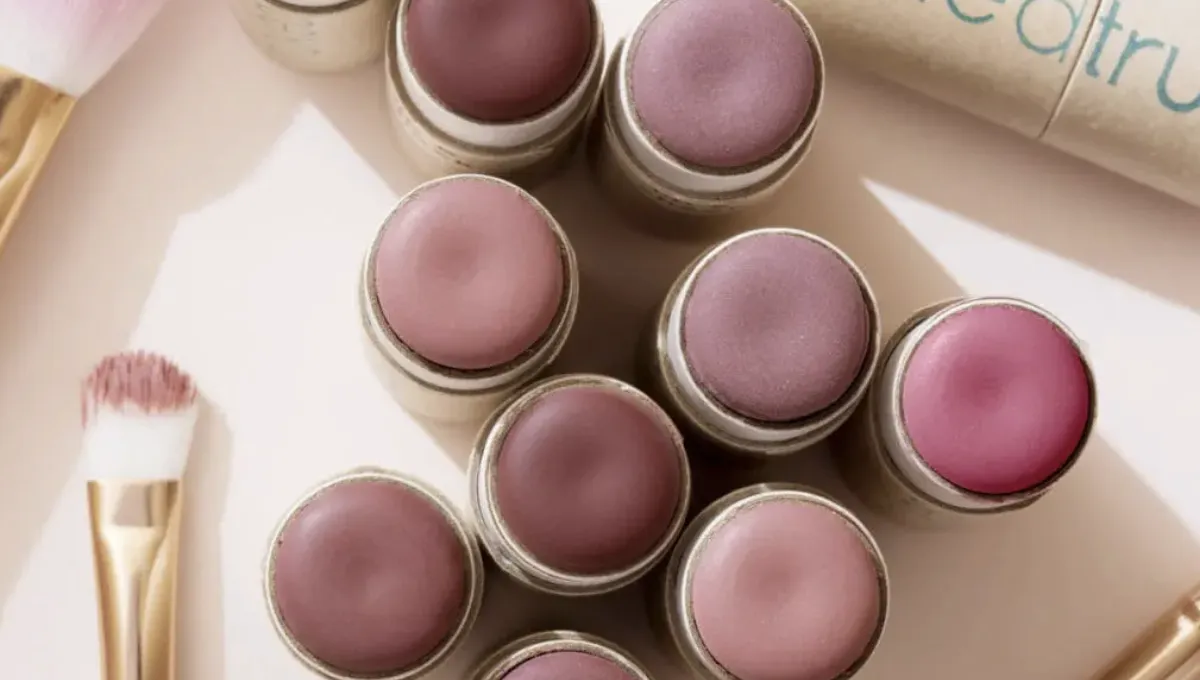
There’s a particular kind of magic in a high-end beauty counter. The lighting is warm and strategic. The packaging feels substantial in your hand. The sales associate speaks with the quiet confidence of someone who knows things you don’t. You walk in for a moisturizer and walk out forty minutes later, lighter in the wallet and somehow convinced you’ve made a sound investment in your future self.
That magic is engineered. Every last detail of it.
The beauty industry generates over half a trillion dollars annually, and a meaningful portion of that revenue isn’t built on superior formulations or scientific breakthroughs. It’s built on the gap between what consumers believe they’re buying and what they’re actually getting. That gap is wider than most people want to acknowledge and the industry has spent decades making sure of it.
The Ingredient Illusion
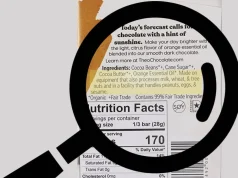
Pick up almost any prestige moisturizer and flip it over. Somewhere near the bottom of the ingredient list, buried under a cascade of trade-dress Latin and chemical nomenclature, you’ll find what actually does most of the work: glycerin, hyaluronic acid, niacinamide, dimethicone. The same ingredients appear in drugstore staples that cost a fraction of the price.
This isn’t a fringe observation. Cosmetic chemists have been saying it for years, largely to audiences that don’t include the consumers who could most benefit from hearing it. The celebrity dermatologist who fronts a $300 serum campaign is rarely the one who formulated it. The “revolutionary peptide complex” in the headline is typically present in concentrations so small it registers more as a marketing claim than an active ingredient. There are legal thresholds that allow brands to list an ingredient without it being present in any meaningful quantity enough to print the name on the label, not enough to change what’s actually happening to your skin.
The prestige markup exists, but it rarely reflects the cost of what’s inside the bottle. It reflects the cost of what’s outside it: the campaign, the counter, the commission, the influencer deal, the department store real estate, the sense of occasion that makes spending $85 on a cleanser feel like self-care rather than financial recklessness.
The Clinical Study That Isn’t What You Think
“Clinically proven” is a phrase that sounds like it carries regulatory weight. It doesn’t. There’s no standardized definition governing its use in cosmetic advertising. A brand can commission a study of twenty participants, run it for two weeks, measure results using its own proprietary equipment, and then plaster “clinically proven to improve radiance” across every touchpoint in the campaign.
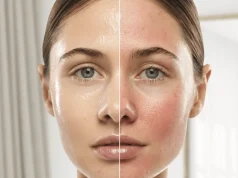
The methodology details are never in the ad. They’re usually not even available upon request. What consumers receive is the conclusion, stripped of context: a number, a percentage, a before-and-after image softened by studio lighting. The impression of science without the accountability of science.
Some studies are legitimate. Many more are what researchers in the field call “cosmetic clinical trials” not designed to produce generalizable findings but to generate marketable claims. The distinction matters enormously but gets erased the moment the packaging goes to print.
Regulatory bodies in the United States have historically given cosmetic companies significant latitude here. As long as a product isn’t claiming to treat a medical condition, the evidentiary bar for efficacy claims is low. Brands know where the line is, and they know how to position claims just short of it while implying everything across it.
The Sustainability Facade
The last decade has brought a new layer to the performance: environmental virtue. Brands rush to announce refillable packaging initiatives, carbon neutrality pledges, and ocean plastic commitments with the same energy they once used to announce celebrity spokesmodels. The announcement is the point. The implementation is the fine print.
“Refillable” programs that require shipping empties back to the brand in prepaid packaging accounting for the emissions of the return shipping often negate the environmental benefit they claim to offer. “Clean beauty” has no regulated definition in most markets, which means a brand can call itself clean while continuing to use ingredients that other clean brands explicitly exclude. The competing definitions aren’t a sign of healthy debate. They’re a sign that the label is being used as positioning rather than as a meaningful commitment.
Greenwashing in beauty is structurally difficult to hold brands accountable for because the environmental impact of a product involves supply chains most consumers can’t see and don’t have the tools to evaluate. A brand can genuinely improve its packaging while doing nothing meaningful about its formulation sourcing or manufacturing emissions. It can issue a press release about one and remain silent about the other, and the press release is what gets covered.
Who Gets to Define “Safe”
The United States did not meaningfully update its federal cosmetics safety law between 1938 and 2022. For decades, the FDA could not require pre-market safety testing for cosmetic ingredients, could not mandate recalls of unsafe products, and operated largely on a complaint-response basis. Brands were largely self-policing through an industry-funded body called the Cosmetic Ingredient Review, which assesses ingredient safety but whose funding comes from the same industry whose ingredients it is assessing.
The European Union banned or restricted over a thousand cosmetic ingredients. The U.S. figure, for most of that period, was around eleven.
The Modernization of Cosmetics Regulation Act, passed in 2022, updated some of that framework. But the practical impact is still unfolding, and the legacy of that regulatory gap is a market full of products formulated during decades when safety oversight was minimal and the burden of proof sat with regulators rather than manufacturers.
This isn’t hypothetical. It’s the reason certain synthetic fragrances linked to hormone disruption continued to appear in mainstream products long after the data was available. It’s the reason skin-lightening creams with mercury-based compounds circulated in some market segments without triggering mandatory recalls. The regulatory gap has real consequences, and those consequences have historically landed hardest on consumers who lack the resources or information to navigate around them.
The Influencer-to-Consumer Pipeline
Somewhere in the mid-2010s, beauty marketing found a new and remarkably efficient channel: people who looked like real consumers but were being paid like advertisers. The early days of influencer marketing operated in a disclosure gray zone that allowed paid promotions to circulate with the visual grammar of personal recommendations. Regulatory guidance eventually tightened, but enforcement has remained inconsistent, and the sheer volume of content makes monitoring practically impossible.
More interesting than the disclosure problem is the deeper structural one. Influencer culture created a feedback loop in which the aspiration to be the kind of person who uses expensive products becomes itself a content format. Haul videos and “shelfie” aesthetics built entire aesthetic vocabularies around accumulation. Brands didn’t just benefit from this they cultivated it, sending free product to amplify it, creating affiliate structures that gave creators a financial stake in purchasing volume.
The consumer who emerges from this environment isn’t just buying a product. They’re participating in an identity economy where spending signals taste, knowledge, and membership in a community. The beauty industry didn’t invent this dynamic, but it has been exceptionally skilled at monetizing it.
What Stays Unspoken
None of this means all beauty products are fraudulent or that caring about skincare is naive. The industry does produce genuinely effective formulations. There are brands some large, some small operating with meaningful transparency and real commitment to what they put on the label.
But the scale of the performance around the ordinary case is worth sitting with. The gap between the story a brand tells and the reality of what it sells isn’t incidental. It’s structural, it’s profitable, and it’s sustained by a combination of regulatory leniency, consumer psychology, and the very human tendency to want the beautiful story to be the true one.
The next time a serum promises to turn back time, the most honest question isn’t whether it works. It’s: who decided you needed to feel like time was something that needed turning back in the first place.