
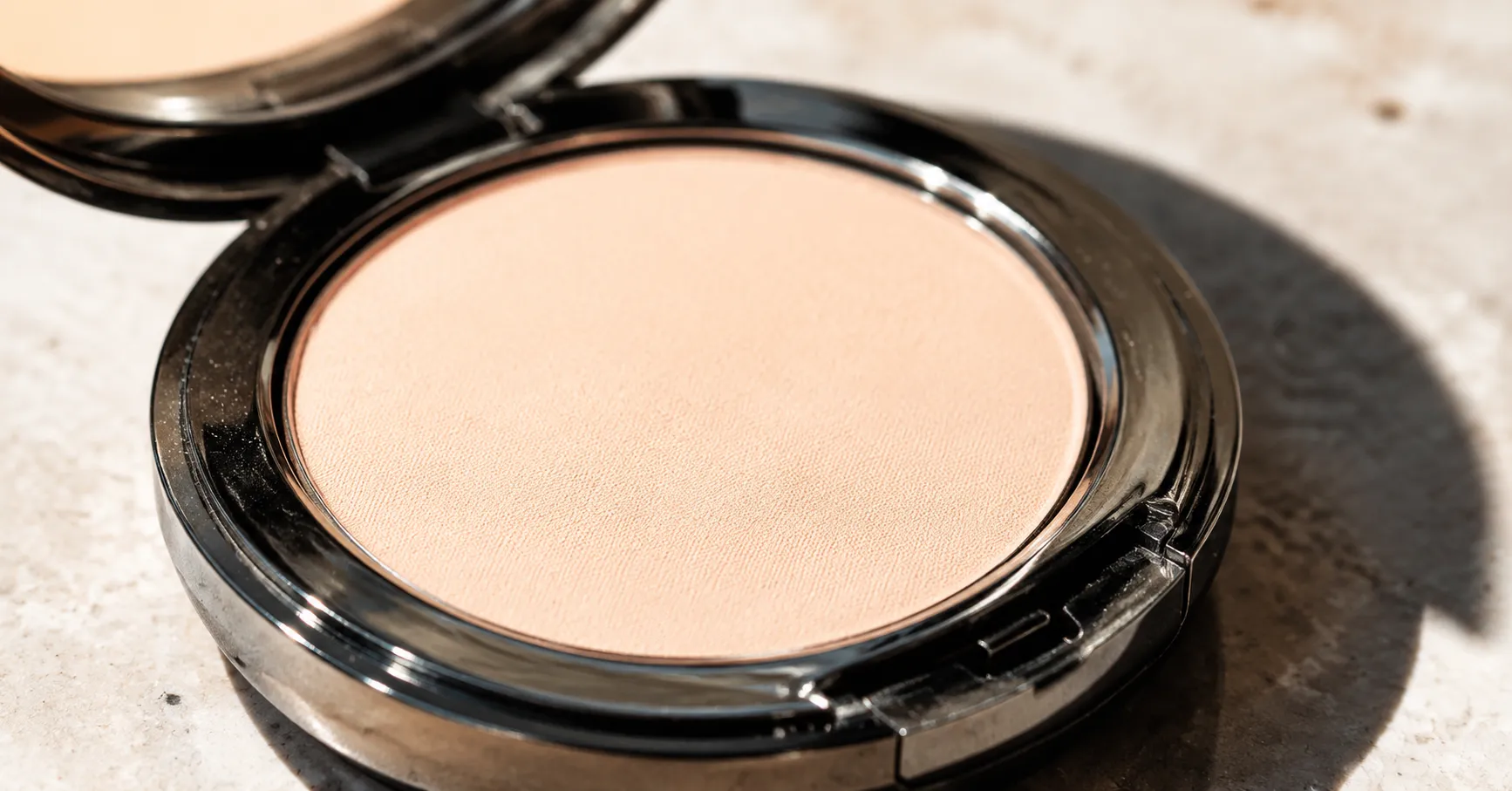
There’s a particular kind of skin that keeps showing up on your feed not glassy, not matte, not aggressively dewy. It looks almost impossibly smooth, like someone stretched a length of fine fabric across a face. Soft. Diffused. A little blurred, but unmistakably real. That’s velvet skin, and it’s quietly become the most covetable complexion aesthetic of the moment.
What makes it interesting is that it doesn’t announce itself. It doesn’t scream “I’m wearing seventeen products.” It reads, somehow, as effortless which is ironic, because achieving a finish that holds from your morning commute through a full afternoon of meetings and a dinner you didn’t plan for requires a very specific kind of intention.
What Velvet Skin Actually Means
Before you start rearranging your vanity, it helps to understand what you’re actually going for. Velvet skin sits in the tension between matte and luminous. It’s not the high-gloss look of glass skin, which leans into shine and reflection. It’s also not the flat, powdered-down finish that reads as dry or cakey in photographs. Think instead of the surface of a peach soft sheen without sparkle, texture without roughness, depth without pore-emphasis.
The key word is diffusion. Velvet skin scatters light rather than reflecting it in a single concentrated direction. That scattering is what creates the blurred, almost soft-focus quality. Understanding this changes how you approach both skincare and makeup, because the goal isn’t to eliminate texture it’s to make it invisible without erasing it.
The Skincare Base That Makes Everything Else Work
You can’t fake velvet skin with makeup alone. Or rather, you can fake it in a photo, but it won’t survive a full day, and it won’t survive close inspection. The foundation literally is skin that’s been consistently hydrated and gently exfoliated.
Hydration here doesn’t mean flooding skin with heavy creams until it looks plump and bouncy. It means maintaining the kind of even, well-functioning moisture barrier that keeps your skin surface smooth rather than flaky or rough. A good hyaluronic acid serum applied to slightly damp skin pulls moisture in. A niacinamide layer on top helps regulate oil production and refine the appearance of pores over time. These aren’t dramatic, fast-acting ingredients they’re infrastructure.
Exfoliation is where a lot of people either skip entirely or overcorrect. Dry, rough patches will show through anything you apply over them. But aggressive daily exfoliation strips the barrier you’re trying to build. A low-concentration lactic acid used two or three evenings a week is usually enough to keep the surface smooth without inducing sensitivity. The goal is skin that feels like it doesn’t need a filter. That takes weeks, not days, but it’s the only way to get a velvet finish that actually holds.
Primer gets underestimated in this whole conversation. A good silicone-based pore-blurring primer does something makeup alone can’t it physically fills the micro-texture on skin’s surface before foundation goes on, creating a more uniform canvas. Apply it after moisturizer, let it set for a minute, and it becomes the single biggest contributor to that soft-focus effect.
Building the Makeup Layer Without Adding Weight
The instinct when going for a polished look is to layer. More coverage, more products, more steps. Velvet skin asks you to do the opposite. Heavy buildup defeats the purpose it accentuates texture rather than diffusing it, and it’s the first thing that breaks down when heat or humidity enters the picture.
Start with a foundation that has a natural or satin finish. Full matte foundations are too flat they remove the slight luminosity that gives velvet skin its life. Full coverage foundations are usually too heavy. What you want is medium coverage with buildable options, in a formula that doesn’t oxidize or turn chalky within a few hours. Skin tint layered under a light powder foundation can hit this balance well, especially for skin types that don’t need significant coverage.
The real work happens in the setting phase. A finely milled loose powder pressed into the skin with a velour puff rather than swept on with a brush gives you that precise blurred texture without adding visible product. The pressing motion matters. Sweeping powder across your face leaves a layer sitting on top. Pressing it into the skin marries it with foundation so both become part of a single finish. Focus on the areas that tend to get oily or shiny first: the center of the forehead, the nose, the chin. On the higher planes of the face cheekbones, brow bones go lighter to preserve a hint of natural dimension.
Setting spray is the step that pulls it all together and, if you choose the right one, significantly extends how long the look holds. A spray that contains film-forming ingredients essentially creates a flexible film over your makeup that moves with your face rather than cracking. Look for formulas described as “skin-like” or “natural finish” rather than anything marketed as dewy or glassy those will undermine the velvet effect you just built.
The Midday Reset Without Starting Over
Here’s where most velvet skin routines fall apart. By early afternoon, the nose is shining, some areas look cakey, and the temptation is to add more powder on top of more powder until your skin looks dusty and dimensional in all the wrong ways.
Blotting papers first, always. They lift oil without disturbing makeup. One press, don’t rub. Then and this is the step most people skip a light mist of setting spray to rehydrate and rebind what’s there. Then, only if needed, the thinnest dusting of pressed powder over just the oily zones.
This sequence respects the velvet base you built instead of fighting it. It’s also fast enough to do in a bathroom stall, which is a real-world consideration that beauty content rarely accounts for.
The Role of Skin Tone and Formula Matching
One thing that doesn’t get discussed enough in the velvet skin conversation is how much foundation undertone and formula matching affects the final result. A foundation that’s even slightly mismatched in undertone can disrupt that seamless, second-skin look it will catch light differently than your natural skin, creating an obvious edge where the product starts. Finding the right undertone match is actually more important than shade matching for this particular aesthetic.
Similarly, dry skin and oily skin require different formulation choices to get to the same endpoint. On dry skin, skipping the powder entirely and relying on setting spray alone can produce a more natural velvet finish powder can sometimes look patchy if the skin beneath isn’t perfectly hydrated. On oily skin, the powder step is more critical, but the formula of the powder matters: something with silica rather than talc tends to absorb oil without leaving a white cast or a flat, chalky layer.
There’s also an argument for skin-care-makeup hybrids tinted serums, foundation sticks with moisturizing formulas for anyone whose skin reads as smooth but tends toward dullness. These add just enough coverage to even things out while keeping the finish alive.
The Long Game Behind a Single Day’s Look
What velvet skin really asks of you, underneath all the product conversation, is patience. The makeup techniques are learnable in a week. The primer habits become automatic quickly. But the skin quality that makes the finish convincing the smooth barrier, the consistent hydration, the absence of angry texture that accrues slowly and quietly over months.
It’s the kind of beauty that compounds. The more you build the base, the less you need the techniques. Some mornings you’ll reach for the blurring primer out of habit and realize your skin already looks like it doesn’t need it. That gap between the skin you start with and the finish you’re trying to achieve keeps narrowing until one day, someone asks what you’re wearing on your skin, and the honest answer is: not much.
That’s the actual destination. The velvet look isn’t a daily performance you maintain through sheer product quantity it’s something you slowly grow into, then occasionally polish when the occasion calls for it.