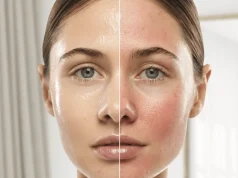

There’s a particular kind of frustration that comes with sensitive skin. You find a product that looks promising clean ingredients, dermatologist-tested, fragrance-free on the label and three days later your face is red, tight, or breaking out in ways that feel almost personal. Like your skin took one look at your optimism and decided to ruin it.
Sensitive skin isn’t a single condition. It’s more of a category that contains multitudes: rosacea, eczema, post-procedure reactivity, general hypersensitivity, or just that frustrating baseline where your skin overreacts to almost everything. What makes clean beauty particularly relevant here isn’t just the marketing appeal of “natural” or “non-toxic.” It’s the practical logic underneath it fewer synthetic dyes, lower fragrance loads, and shorter ingredient lists tend to mean fewer triggers. Not always, but often enough to matter.
The clean beauty space itself has matured considerably. A few years ago, “clean” was mostly a branding exercise. Brands would slap the word on a bottle alongside a leaf logo and call it a day. Now there’s more rigor, more transparency around ingredient sourcing, and a growing number of formulas that are genuinely designed with reactivity in mind rather than just aesthetics.
What “Clean” Actually Needs to Mean for Reactive Skin
Before getting into specific products, it’s worth understanding what you’re actually looking for because “clean” alone doesn’t equal safe for sensitive skin. Some of the most irritating ingredients in cosmetics are entirely natural. Essential oils, for instance, are among the top contact allergens in skincare. Citrus-derived brightening agents can be photosensitizing. Even certain plant extracts that sound soothing on paper can trigger histamine responses in reactive skin.
What genuinely sensitive skin tends to need is formulas that are free of synthetic fragrance (which can contain hundreds of undisclosed compounds), free of high-alcohol content (which disrupts the skin barrier), and low in known irritants like sodium lauryl sulfate, certain preservatives like methylisothiazolinone, and unnecessary colorants. The best clean products for sensitive skin aren’t just “natural” they’re minimal, intentional, and barrier-aware.
The skin barrier is the real protagonist of this story. When it’s compromised, everything becomes a potential irritant. The goal of a good sensitive skin routine isn’t just to avoid bad ingredients it’s to actively reinforce the structures that protect you from reacting in the first place.
Cleansers That Don’t Strip
The cleanser is where most sensitive skin routines fall apart. People gravitate toward that squeaky-clean feeling as proof that something worked, but for reactive skin, that tightness after washing is actually damage. The surfactants responsible for that sensation are often too aggressive for a compromised barrier.
Vanicream Gentle Facial Cleanser has developed something close to a cult following among dermatologists and sensitive skin communities, and the reason is straightforward: it does exactly one job and does it without incident. No dyes, no fragrance, no parabens. The formula is unfussy to the point of being almost boring, which is precisely the point. Boring is good when your skin is prone to drama.
On the more premium end of the clean beauty spectrum, Cocokind’s Ceramide Barrier Cleanser has become a standout. It incorporates ceramides directly into the cleansing step a smart move, given that ceramides are the lipids responsible for holding your skin barrier together. Washing your face while simultaneously reinforcing what washing can deplete feels almost counterintuitive, but the skin results tend to speak for themselves.
Moisturizers Built Around the Barrier
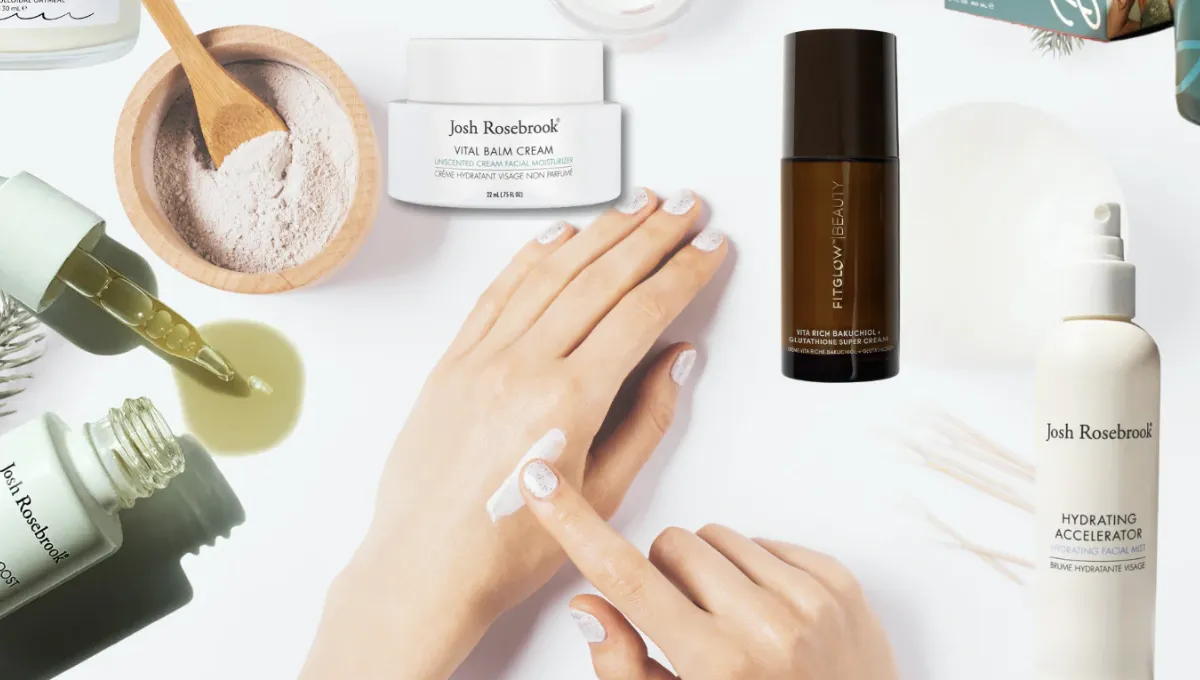
If there’s one category where clean beauty has made the most substantive progress for sensitive skin, it’s moisturizers. The science around barrier repair has filtered into formulation in meaningful ways, and you can now find products at various price points that genuinely deliver.
Pipette Baby Moisturizer yes, formulated for babies became a quiet favorite among adults with reactive skin for a logical reason: baby skincare operates under some of the strictest safety and purity standards in the industry. The formula uses squalane derived from sugarcane, which mimics the skin’s own natural oils without the comedogenic or irritating properties of heavier occlusives. It absorbs quickly, leaves no residue, and doesn’t contain a single ingredient that would register as concerning to someone with reactive skin.
For those dealing with dryness alongside sensitivity, Weleda Skin Food Light has carved out a loyal following. Originally developed as a dry skin treatment in the 1920s, the formula has been refined but retains its commitment to botanical simplicity. The light version avoids the heaviness of the original while keeping the plant-derived emollients chamomile, pansy, rosemary that soothe without overwhelming. It’s one of those products where the ingredient list reads more like a herb garden than a chemistry experiment.
Youth to the People’s Superfood Air-Whip Moisture Cream sits at a different end of the texture spectrum but deserves mention for its approach to antioxidant-forward formulation. For skin that reacts to environmental stressors as much as topical ingredients, a moisturizer that also defends against free radical damage is doing double duty in the best possible way.
Sunscreen, Which Remains the Hardest Category
Sunscreen is where sensitive skin and clean beauty collide in the most complicated way. Chemical sunscreen filters avobenzone, oxybenzone, octinoxate are effective but frequently implicated in contact reactions and hormonal disruption concerns. Mineral sunscreens using zinc oxide and titanium dioxide sidestep most of those issues but have historically struggled with the white cast problem, particularly on deeper skin tones.
The formulation gap has been closing. EltaMD UV Clear Broad-Spectrum SPF 46 is now something close to an industry standard for sensitive and acne-prone skin. The zinc oxide base is gentle, the formula includes niacinamide (which calms inflammation and supports the barrier), and it sits lightly enough under makeup that it doesn’t feel like an additional layer of anything. The ingredient list is clean and minimal without making any theatrical claims about it.
Unsun Cosmetics’ Mineral Tinted Face Sunscreen addressed the white cast issue head-on, creating a mineral SPF with shade-adjusting tints that work across a broader range of skin tones than most of the market historically bothered to serve. It’s a rarer example of clean beauty actually expanding accessibility rather than catering exclusively to a narrow demographic.
Targeted Treatments Without the Risk
Where sensitive skin gets genuinely complicated is in the treatment category. Retinol, acids, and actives that work brilliantly for most people can be deeply destabilizing for reactive skin. The temptation is to avoid them entirely, but that often means missing out on real efficacy particularly around concerns like hyperpigmentation, texture, and early signs of aging.
Bakuchiol has emerged as a legitimate alternative to retinol rather than a mere substitute. Derived from the babchi plant, it delivers similar cell-turnover benefits through a different mechanism, without the initial irritation period that makes conventional retinol unusable for many sensitive skin types. Herbivore Botanicals’ Bakuchiol Retinol Alternative Serum was among the first to bring this ingredient to mainstream clean beauty consumers, and its formulation built around a base of plant oils and squalane has held up well against newer entrants.
For brightening without acids, tranexamic acid has been gaining significant traction. It addresses hyperpigmentation through an anti-inflammatory pathway rather than exfoliation, which makes it considerably more compatible with reactive skin. Good Molecules’ Discoloration Correcting Serum includes it alongside niacinamide in a formula that punches well above its price point.
The Routine Logic That Ties It Together
There’s a particular temptation with sensitive skin to keep adding products more soothing, more barrier repair, more targeted treatments until the routine becomes its own source of reactivity. The products that actually help most are the ones that know when to stop. Fewer ingredients. Fewer steps. Clear purpose for each product.
The clean beauty brands that have earned long-term trust in this space tend to share a design philosophy: they formulate around what to leave out as much as what to put in. That negative space in a formula the absence of fragrance, the absence of unnecessary emulsifiers, the absence of marketing ingredients that add nothing but a claim is where sensitive skin finally gets to breathe.
Your skin has its own logic. The best thing any product can do is stop arguing with it.