
Why Your Moisturizer Isn’t Working Anymore (And What to Do Instead)
You bought it because the reviews were glowing. Maybe a friend swore by it, or you spent twenty minutes in the skincare aisle reading the back of the bottle like it was a contract. For a while, it worked. Your skin felt softer, calmer, more like itself. Then, somewhere along the way, it stopped. Not dramatically skin rarely stages dramatic protests. It just quietly went back to being dry, or dull, or vaguely unhappy. And you kept applying the moisturizer anyway, hoping it would remember what it used to do.
This is one of the most common frustrations in skincare, and it almost never gets talked about honestly. The conversation usually skips straight to product recommendations. But before you swap out your moisturizer for something new, it’s worth asking a harder question: what actually changed?
Your Skin Didn’t Stay the Same
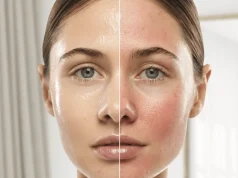
Here’s the thing nobody tells you when you first find a product you love your skin has no obligation to stay consistent. It shifts with the seasons, with your age, with your stress levels, with what you ate last week and how much sleep you didn’t get last month. The moisturizer that felt like a revelation in your late twenties may be genuinely wrong for your skin now, not because the formula changed, but because you did.
This is especially true across seasonal transitions. A lightweight gel that carries you effortlessly through summer can feel almost useless by February. Humidity drops, indoor heating pulls moisture from the air, and suddenly your skin is operating in a completely different environment. The same product, applied the same way, simply doesn’t have enough to work with anymore.
Hormonal shifts do this too quietly, without announcement. Skin tends to become drier and slower to repair itself as estrogen levels fluctuate with age, menstrual cycles, or changes in birth control. If you’re in your mid-thirties or beyond and notice that your formerly reliable moisturizer feels like it’s sitting on the surface without doing anything, this is worth considering seriously.
The Application Window You’re Probably Missing
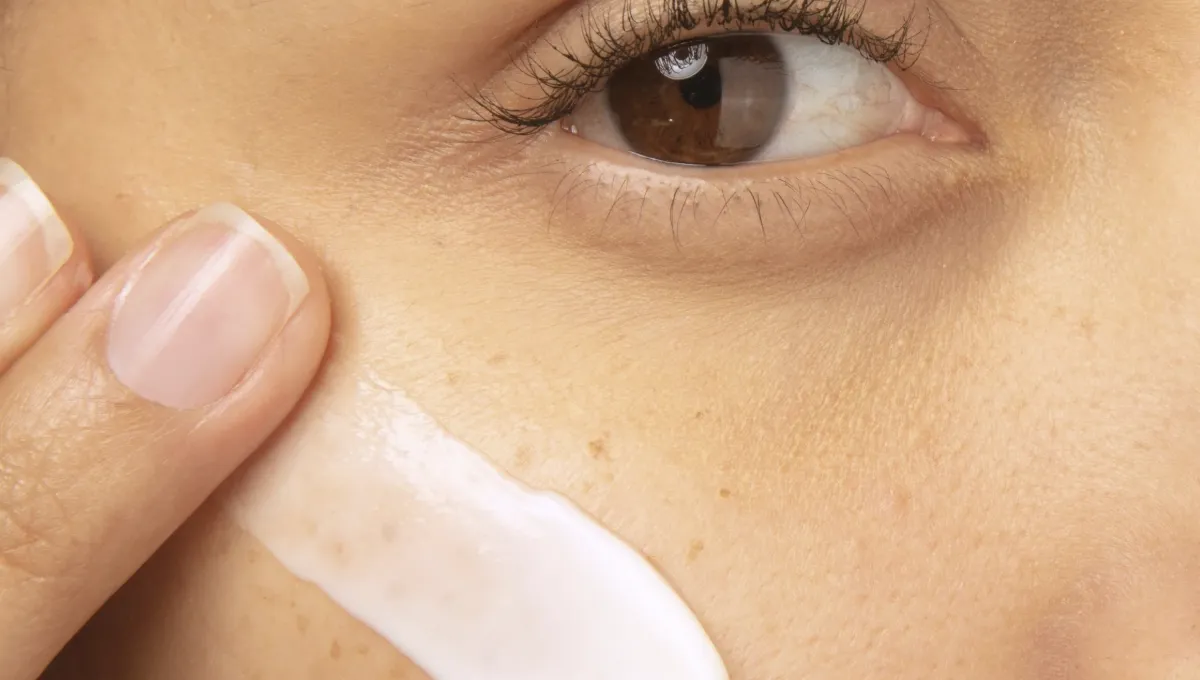
Even if your product is genuinely good and your skin hasn’t changed dramatically, there’s a surprisingly common reason it stops working: timing. Moisturizer is not a standalone treatment. It’s a sealant. Its job is to lock in hydration that’s already present in the skin, not to generate that hydration from scratch.
If you’re applying moisturizer to skin that’s been air-dried for five or ten minutes, you’re applying it to a surface that’s already lost a significant portion of the moisture it just received from cleansing or toning. The sweet spot is damp skin not dripping, but still carrying some moisture. Within about sixty seconds of patting your face dry is the window that makes the most meaningful difference.
It sounds almost too simple to be the answer, and yet for a lot of people it is. Same product, slightly different timing, noticeably different result. The formula didn’t fail. The delivery did.
What’s Happening Beneath the Surface
Moisturizers work through a few different mechanisms, and understanding which type you’re using helps clarify why it might be underperforming. Humectants ingredients like hyaluronic acid and glycerin draw water from the environment and from deeper skin layers toward the surface. Emollients smooth and soften by filling the gaps between skin cells. Occlusives create a physical barrier that prevents water from evaporating.
Most moisturizers are a blend of all three, but the ratios vary enormously. A product heavy on humectants works brilliantly in a humid climate where there’s ambient moisture to draw from. In dry indoor air, those same humectants can pull moisture upward from deeper in the skin and then lose it immediately to the atmosphere leaving skin feeling tighter than before you applied anything.
If this sounds familiar, the fix isn’t to find a new moisturizer. It’s to layer: a hydrating serum or essence first, then your moisturizer on top to seal it in. You’re not replacing what’s in the bottle. You’re giving it something to work with.
The Ingredient Your Routine Might Be Missing
There’s a conversation happening in skincare right now about ceramides that deserves more attention than it gets outside of dermatology circles. Ceramides are lipids fats that make up roughly fifty percent of the skin’s barrier. They’re what hold everything together, quite literally. When the barrier is compromised, whether from over-exfoliation, harsh cleansers, environmental stress, or just age, moisture escapes faster than any moisturizer can replace it.
A lot of people respond to persistently dry or reactive skin by layering on more product. More serum, richer cream, more frequent application. But if the barrier itself is damaged, you’re essentially trying to fill a bucket with a hole in it. Ceramide-rich formulas CeraVe is the obvious drugstore entry point, but brands like Dr. Jart and Skinfix have more sophisticated options address the underlying structure rather than just the surface feeling.
This also explains why some people find that their skin improves dramatically when they simplify their routine rather than expanding it. Fewer actives, gentler cleansing, a straightforward barrier-focused moisturizer, and time. It’s not satisfying advice, but it works.
When the Product Itself Is the Problem
Sometimes, after all of this, the honest answer is that the moisturizer genuinely isn’t right for you anymore and that’s fine. Formulas that rely heavily on fragrance can cause low-grade irritation that accumulates over time, leaving skin sensitized and reactive. Some occlusives, like mineral oil or petrolatum, are deeply effective for some skin types and completely wrong for others, either congesting pores or simply sitting without absorbing.
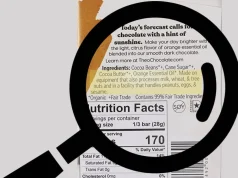
Reading an ingredient list is less intimidating than it seems once you know what you’re looking for. Fragrance (or parfum) listed high up is worth noting if your skin has become more reactive. Alcohol denat near the top of the list is drying, full stop regardless of what the marketing says about feeling lightweight. And if a product contains a lot of actives, acids, or brightening agents, it may be doing too much for skin that just needs to be left alone for a while.
Rebuilding Trust With Your Routine
There’s a particular kind of exhaustion that comes from a skincare routine that isn’t working this low-level background frustration of doing the right things and not seeing results. What often gets missed is that skin responds to patterns over weeks, not days. A product that’s been in your routine for three weeks without visible improvement isn’t necessarily failing. It may just be working on a timeline that doesn’t match your expectations.
That said, if something is making your skin sting, feel tight after it absorbs, or look more dull over several weeks, those are real signals. Skin doesn’t usually lie about incompatibility.
The most useful thing you can do is resist the instinct to add more when something isn’t working. Strip back. Give your skin fewer things to contend with. A humectant serum, a ceramide moisturizer, SPF in the morning that’s a complete routine for most people, most of the time. Not because minimalism is a trend, but because it’s easier to identify what’s actually helping when there are only three variables instead of nine.
The moisturizer that stopped working isn’t necessarily a failure. It might just be waiting for you to use it differently.