

Why “Glow Up” Is Not What the Internet Sold You
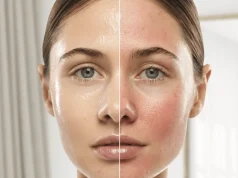
Somewhere between the tenth before-and-after reel and the third influencer swearing by a $90 body serum, the phrase “glow up” quietly lost its original meaning. It used to describe a slow, almost private transformation the kind that happens when someone finally starts taking care of themselves not because they hate what they see in the mirror, but because they’ve decided they’re worth the effort. That distinction matters more than any product recommendation.
This routine isn’t about achieving a body that photographs well under ring light. It’s about building consistent, low-effort habits that compound over weeks and months into skin that genuinely looks and feels different. The beginner part is intentional. Complicated ten-step protocols are how people start strong in January and abandon everything by February. What actually works is embarrassingly simple it’s just rarely presented that way.
Skin That Glows Starts Beneath the Surface
Before anything touches your skin from the outside, the inside has to be doing its job. Hydration is the most boring advice in wellness and also, frustratingly, the most accurate. Skin that’s chronically under-hydrated has a dull, slightly grey quality that no highlighter fully fixes. Drinking enough water doesn’t produce overnight miracles, but over two to three weeks of consistent intake somewhere around two liters daily, adjusted for body weight and activity the texture shift is real. Skin becomes more pliant, fine lines look softer, and that papery tightness that shows up after a hot shower starts to ease.
Nutrition works on a similar timeline. The skin is essentially a reflection of gut health, inflammation levels, and micronutrient availability. This doesn’t require an overhaul. It usually requires one adjustment: more omega-3 fatty acids, found in fatty fish, walnuts, and flaxseed. These fats maintain the skin’s lipid barrier, which is the invisible shield responsible for keeping moisture in and irritants out. A compromised barrier is why some people feel itchy, flaky, or reactive no matter how much lotion they apply. You can’t out-moisturize a poor diet.
The Shower Routine That Changes Everything
Most people’s shower habits are actively working against their skin without them realizing it. Long, very hot showers feel incredible but strip the skin’s natural oils faster than almost anything else. The water temperature that actually serves your skin is warm not cold (that’s a separate conversation), not scalding, just warm enough to be comfortable without turning your skin red.
Body exfoliation, done correctly, is the single most visible change a beginner can make. The outer layer of skin is constantly shedding dead cells, and when they don’t slough off evenly, they pile up in a way that makes skin look matte, bumpy, and uneven. A physical exfoliant a dry brush before showering, or a gentle scrub during two to three times a week is enough. More frequent than that, and you’re abrading skin that hasn’t had time to regenerate. The goal is to see a subtle glow immediately after, not redness or sensitivity.
Chemical exfoliants like lactic acid or glycolic acid in a body lotion work even better for most people because they don’t require any scrubbing motion and penetrate more evenly. Applying a lactic acid lotion to damp skin after the shower, three nights a week, is one of the quietest upgrades you can make. After a month, the difference in skin smoothness is noticeable enough that people start asking if you’ve been doing something different.
Moisturizing Is a Technique, Not Just a Product
The two-minute window after you step out of the shower is when moisturizer works best. Not dried-off-and-watched-half-an-episode-of-something within two minutes. Skin is still slightly damp, pores are open from the warmth, and any product applied in this window absorbs at a rate that simply isn’t replicable on completely dry skin.
For the product itself: thicker doesn’t always mean better. For most body skin types, a fragrance-free lotion with ceramides, glycerin, or shea butter is all that’s needed. Ceramides specifically support the lipid barrier mentioned earlier, so they work synergistically with what your diet is already doing. The face product brands discovered ceramides before body care caught up, but they’re now standard in affordable drugstore body lotions. Price is genuinely not a reliable indicator of effectiveness here.
One area most routines ignore:elbows, knees, and heels. These high-friction areas have thicker skin that turns ashy and rough before anywhere else. Applying a dedicated heel balm or just a heavier cream to these spots takes thirty additional seconds and makes the difference between a routine that looks polished and one that has a few rough edges undercutting the rest of it.
Sun Protection for Your Body Is Not Optional
Body sunscreen is where most beginner routines have a significant gap. The face gets SPF almost universally now, but arms, décolletage, and the backs of hands accumulate UV damage quietly over years, and that damage is what creates the uneven pigmentation, texture, and crepiness that people eventually spend significant money trying to reverse. Prevention is not a dramatic act. It’s applying SPF 30 or higher to exposed areas before going outside.
The texture complaint about body sunscreen is legitimate older formulations were greasy, white-cast nightmares. Modern mineral-chemical hybrid sunscreens absorb within seconds and leave no visible residue. Finding one you don’t mind applying is mostly a trial-and-error process, but once you find it, the habit takes about forty-five seconds and the long-term return is enormous.
Movement, Lymphatics, and the Circulation Factor
Glowing skin and stagnant circulation are essentially incompatible. Exercise increases blood flow to the skin’s surface, delivers nutrients, and promotes collagen production in a way that topical products can support but not replicate. This doesn’t require a gym. Twenty to thirty minutes of walking, cycling, or any movement that elevates your heart rate three to five times a week is enough to produce a visible difference in skin luminosity over the course of several weeks.
Dry brushing, mentioned earlier for exfoliation, also stimulates lymphatic drainage when done with upward strokes toward the heart. The lymphatic system doesn’t have a pump the way the cardiovascular system does it depends on movement and manual stimulation to clear waste from tissues. Whether or not you believe in the more expansive wellness claims around lymphatic drainage, the circulation boost and the exfoliation are real and useful.
The Compounding Effect Nobody Talks About
Here’s what a consistent body care routine actually feels like after ninety days: you stop thinking about it. The habits become background, the way brushing your teeth is background. And in that quiet automaticity, something subtle shifts. Your relationship to your body becomes less adversarial. You’re not trying to fix something you’re just maintaining something you’ve come to take a little pride in.
That’s the transformation that before-and-after content can’t capture. Skin that looks healthy from the outside is usually a sign of someone who’s been showing up for themselves, in small ways, long enough for it to mean something.