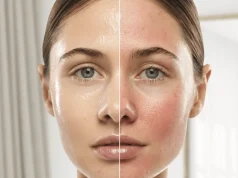


There’s a particular kind of frustration that comes from doing everything right or at least everything the internet told you to do and still waking up to a face that’s either tight and flaky or slick enough to fry an egg. You bought the hyaluronic acid serum because every skincare influencer swore by it. You tried the foam cleanser that worked miracles for your college roommate. And yet. Your skin keeps sending back the same memo: this isn’t working.
The problem usually isn’t the products. It’s the mismatch between what you’re using and what your skin actually is not what you think it is, not what it was five years ago, not what a generic quiz on a beauty retailer’s website told you.
Why Most People Are Working With the Wrong Skin Profile
The beauty industry has a vested interest in keeping things simple. Oily, dry, combination, sensitive, normal five categories, clean and marketable. But skin doesn’t read brochures. What shows up on your face is the result of genetics, climate, hormone cycles, stress load, sleep quality, diet, and the cumulative effect of every product you’ve layered on since you were a teenager.
Dehydration is probably the single most misread condition in skincare. Dehydrated skin lacks water; dry skin lacks oil. These are physiologically different problems, but they can look almost identical flakiness, tightness, a dull cast. The catch is that oily skin can be dehydrated. Many people with chronically shiny foreheads have spent years slapping on mattifying products and astringent toners, stripping away what little moisture their skin was holding onto, and then wondering why the oil just keeps coming back. The sebaceous glands overcompensate. It’s a feedback loop that starts with a misdiagnosis.
Sensitive skin gets similarly flattened into a single label when it’s actually a symptom of several different things a compromised barrier, rosacea, contact dermatitis, reactive skin that needs a stripped-back routine. Treating these as one problem leads to one-size-fits-all “sensitive” product lines that may do nothing, or actively make things worse.
How to Actually Read Your Skin
Before you spend another dollar on anything, take a week and do essentially nothing. Wash your face with a gentle, fragrance-free cleanser, morning and night. Use a basic moisturizer. No actives, no serums, no treatments. Let your skin exhale.
After a week, start paying attention with more precision. What does your skin feel like an hour after cleansing before you apply anything? If it feels tight and looks dull, you’re likely dealing with dryness or dehydration. If there’s a visible shine across the T-zone but the cheeks feel relatively normal or even a little tight, that’s combination. If the shine is everywhere and the texture feels consistently thick, that points toward genuinely oily skin.
Then look closer. Are there areas of persistent redness that don’t come and go with stress or temperature? Broken capillaries around the nose? Does your skin flush quickly and stay flushed? These patterns suggest reactivity that goes beyond standard sensitivity. Knowing that distinction matters because reactive skin needs barrier repair first, not active ingredients layered on top.
Also worth asking: when did your skin change? Skin type isn’t fixed. Hormonal shifts puberty, pregnancy, perimenopause can fundamentally rewire your oil production. People who had oily skin in their twenties are often surprised to find they need richer moisturizers by their late thirties. Seasons change your skin too, and if you’re using the same routine in February that you used in August, you may be working against yourself half the year.
Matching Products to What You Actually Have
For genuinely dry skin the kind where oil production is low and the skin feels rough or flaky regardless of hydration the goal is lipid replenishment. Look for products with ceramides, fatty acids, and squalane. Cream cleansers over foams. Rich, occlusive moisturizers at night, ideally with shea butter or petrolatum-based ingredients that seal rather than just sit on the surface.
Dehydrated skin oily or otherwise responds to humectants. Hyaluronic acid, glycerin, sodium PCA. The key is applying these to damp skin and then layering something on top to prevent the moisture from evaporating back out. On its own, hyaluronic acid can actually pull moisture out of your skin in low-humidity environments. Plenty of people have used it diligently and felt worse for it, which has led them to conclude that the ingredient doesn’t work for them, when really it’s a question of application and climate.
Oily skin that hasn’t been stripped into a dehydration cycle often does well with lighter moisturizers gel-based, water-based, non-comedogenic. Niacinamide is genuinely useful here: it helps regulate sebum production over time and strengthens the barrier without adding heaviness. Chemical exfoliation with salicylic acid, used judiciously, keeps pores fromclogging without the mechanical irritation of a scrub.
Combination skin is the one that requires the most patience because it’s essentially asking you to run two different routines on one face. A lot of people fight this by looking for a single product that does everything, and it usually satisfies neither zone. It’s more effective to apply lighter products across the whole face and then layer extra moisture on the drier patches. Spot-treating oilier areas with a targeted product rather than applying something mattifying everywhere tends to produce more consistent results.
The Barrier Problem Nobody Talks About Enough
There’s a scenario playing out on millions of faces right now: skin that is simultaneously oily, dry, sensitive, and breaking out. If that sounds like a contradiction, it’s not. It’s a damaged skin barrier.
When the outermost layer of skin the stratum corneum is compromised, water escapes, irritants get in, and the skin becomes reactive to products it would otherwise tolerate. This can happen from over-exfoliation, from years of harsh cleansers, from using too many actives at once. The irony is that people often respond to this kind of skin by adding more products and more treatments, which deepens the damage.
A compromised barrier needs simplicity first. Gentle cleanser, barrier-supporting moisturizer with ceramides and niacinamide, and strict patience. No retinol, no acids, no vitamin C until things stabilize. This phase can take weeks, and it requires resisting the impulse to troubleshoot with new products when your skin looks bad in the meantime.
On Trusting the Process Over the Product
One of the harder things to accept is that skincare results are slow. Most active ingredients need eight to twelve weeks of consistent use before you can meaningfully evaluate whether they’re working. The churn of trying something for three weeks, deciding it’s not doing anything, and moving on to the next thing is one of the main reasons people never actually solve their skin problems they’re always resetting the clock.
Matching skincare to your skin type is partly about ingredient knowledge, but it’s equally about building the discipline to observe, adjust, and wait. Your skin is always communicating. It tells you when it’s tight or congested, when a new product is triggering inflammation, when a routine that worked through one season is no longer cutting it through another.
That conversation between what you’re using and how your skin responds is more useful than any quiz or skin type label. The goal is to get fluent in it.