

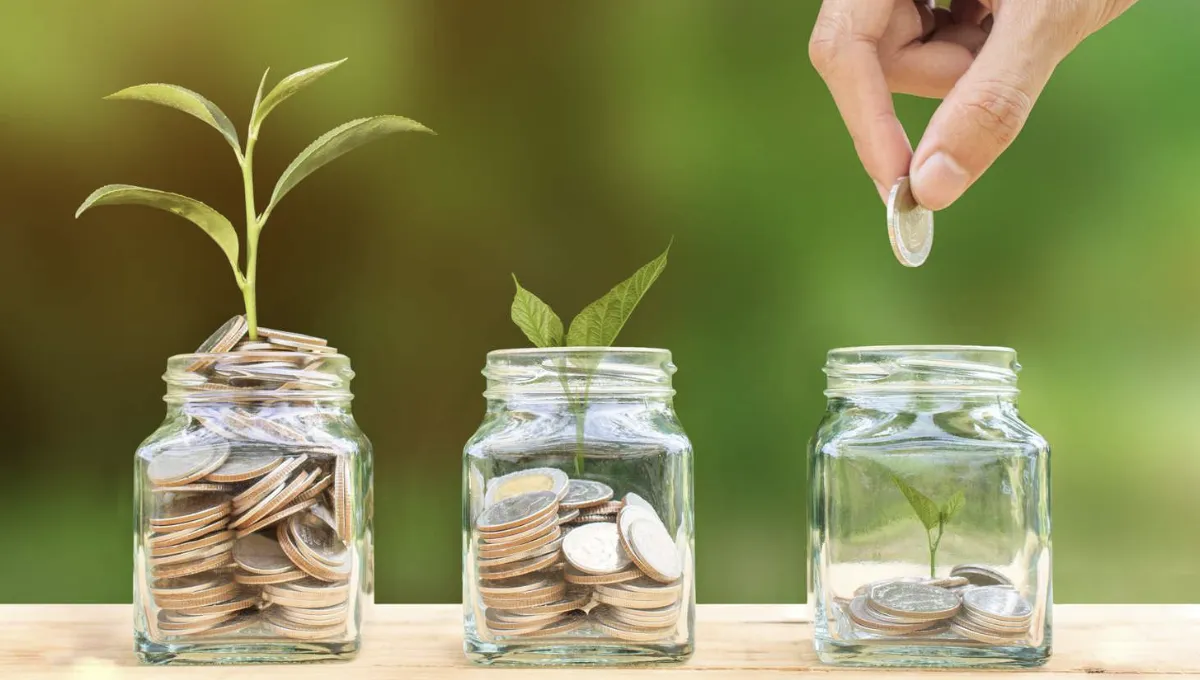
There’s a persistent myth that living sustainably is expensive that it requires a kitchen full of bamboo gadgets, a closet of organic cotton, and a budget generous enough to absorb the premium pricing at every turn. That myth, frankly, has done a lot of damage. It’s kept millions of people on the sidelines of a shift that, at its core, was never really about spending more. It was about spending smarter.
The truth is quieter and more practical than the marketing suggests. Most of the changes that reduce your environmental footprint also reduce what you hand over to utility companies, grocery stores, and the slow accumulation of stuff you didn’t actually need. The overlap between eco-friendly and financially sensible isn’t incidental it’s structural. Waste costs money. Consuming less means both.
Start Where the Money Actually Leaks
Energy is the clearest place to see this. The average American household spends over $2,000 a year on energy bills, and a significant portion of that is essentially escaping through gaps in doors, uninsulated attics, and appliances running harder than they need to. Before you buy anything new, the highest-return move is almost always to audit what you already have.
A programmable or smart thermostat which costs anywhere from $25 to $150 depending on how feature-heavy you want to go can cut heating and cooling costs by 10to 15 percent just by learning your schedule and not conditioning air in an empty house. The payback period is measured in months, not years. Similarly, switching to LED bulbs isn’t just an environmental gesture; it’s a straightforward financial decision. LEDs use roughly 75 percent less energy than incandescent bulbs and last up to 25 times longer. The math makes itself.
Unplugging devices when they’re not in use, or using smart power strips that cut standby power, addresses what’s called phantom load the electricity your electronics quietly sip even when you think they’re off. For a typical home, this invisible drain accounts for 5 to 10 percent of electricity use. Fixing it costs nothing except a slight shift in habit.
The Kitchen Is a Laboratory
Food waste is one of the most quietly destructive habits in modern households, both ecologically and economically. Americans throw away somewhere between 30 and 40 percent of the food supply, and at the household level, that translates to roughly $1,500 a year per family. Every wilted vegetable, forgotten leftover, and expired yogurt is money that went from your wallet directly into a landfill.
Meal planning sounds like something people do in productivity YouTube videos, but at its simplest it’s just buying what you’ll actually eat. Shopping with a list, cooking in batches, and learning to work with what’s already in the refrigerator before buying more these habits compound. They also reduce packaging waste, reduce the frequency of takeout orders, and cut down on the energy used in repeated grocery trips.
Composting the scraps that remain isn’t glamorous, but it closes a loop. If you have any outdoor space at all, a basic compost bin can replace a portion of the fertilizer or soil amendment you’d otherwise buy. Urban composting programs are expanding in many cities for those without yards. Either way, you’re diverting material from waste and returning something useful from it.
Buying in bulk genuinely in bulk, for items you use regularly reduces per-unit cost and packaging simultaneously. The caveat matters: bulk buying only saves money and reduces waste if you actually consume what you buy. For shelf-stable staples like grains, legumes, nuts, and dried spices, it’s almost always the better deal.
Water Runs Through Everything
Water is easy to overlook because, in most parts of the country, it’s still relatively cheap. But the cost of heating water isn’t. About 18 percent of a typical home’s energy bill is attributed to water heating. Shorter showers, fixing leaks promptly, and running dishwashers and washing machines only when full all reduce both water consumption and the energy required to heat it.
Low-flow showerheads and faucet aerators are inexpensive to purchase and install, and they reduce water usage by 30 to 50 percent without any perceptible loss in pressure for most users. Over the course of a year, a household of four can save tens of thousands of gallons of water this way which means both lower bills and less demand on local water infrastructure.
Outdoor watering is where residential water use spikes dramatically, particularly in summer. Collecting rainwater in a barrel for garden irrigation is legal in most states now, and a basic barrel setup runs $50 to $100. Watering at dawn rather than midday reduces evaporation. Choosing native plants that are adapted to your local climate requires less watering and virtually no supplemental fertilizing. The initial investment in native landscaping pays back through years of lower maintenance.
The Stuff You Own and What You Do With It
Fast fashion is one of those sectors where the environmental cost and the personal financial cost align with unusual clarity. Cheap garments are designed to be replaced frequently, which means the price per wear often exceeds what you’d pay for something made to last. A $15 shirt that falls apart in six months is more expensive over time than a $60 shirt that survives five years of regular use.
Buying secondhand through thrift stores, consignment shops, and resale apps has become genuinely mainstream, and the selection has improved accordingly. For household items, furniture, and tools especially, used is almost always sufficient and dramatically cheaper. Borrowing or renting tools you’ll use once or twice a year rather than buying them saves money, storage space, and the resources required to manufacture another object that spends most of its life sitting idle.
Repairing rather than replacing requires a small reorientation of instinct. There’s a cultural conditioning toward replacement a leaky faucet, a cracked phone case, a worn heel on a boot that assumes replacement is easier. Sometimes it is. But repair is often cheaper, takes less time than expected, and extends the life of something that already works. A growing network of repair cafes in cities across the country now offers free help with this, run by volunteers who find the act of fixing things genuinely satisfying.
The Longer View
None of this requires a dramatic overhaul of how you live. The most effective eco-friendly habits are the ones that integrate quietly into a daily routine until they stop feeling like habits at all they’re just the way things work. Turning off lights, choosing tap water, buying less but better, cooking more deliberately, fixing what breaks.
What accumulates over years of these choices isn’t just a lower carbon footprint it’s a different relationship with the material world. Less anxious, less cluttered, less dependent on the next purchase to fill whatever gap the last one left behind. That might be the most underrated benefit of all: the freedom that comes from needing a little less.
The money follows. It almost always does.