
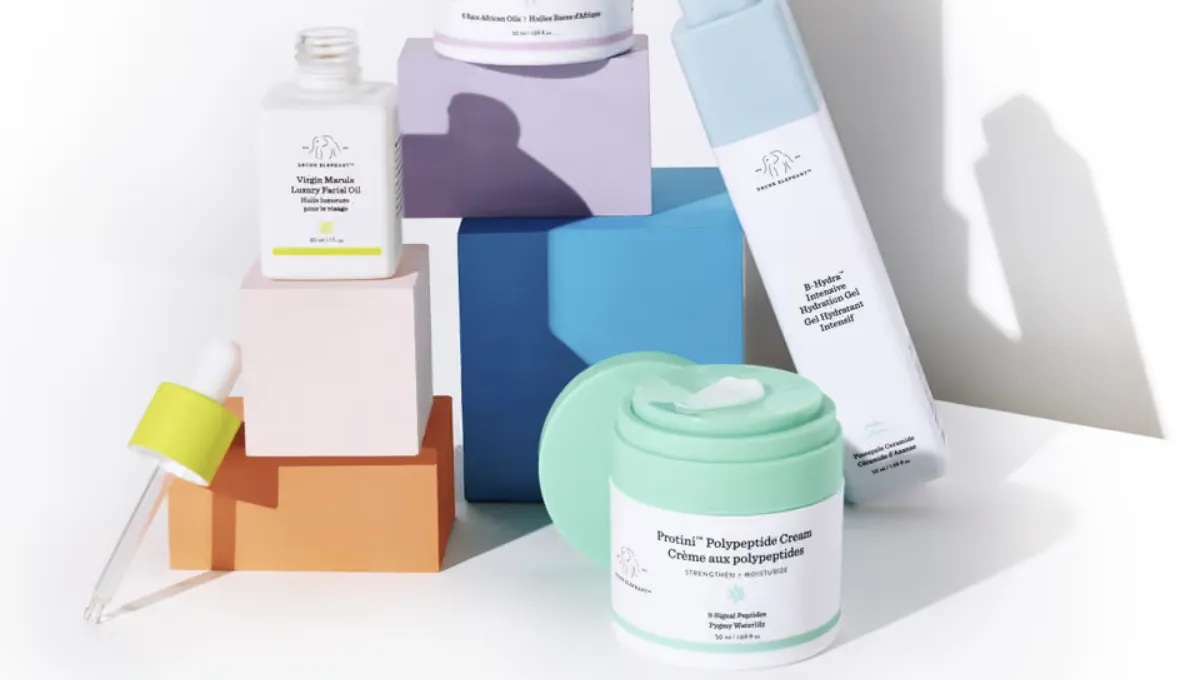
The Label That Changed Everything
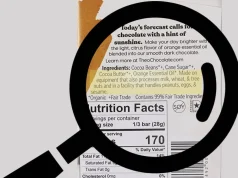
Walk into any Sephora or scroll through a wellness brand’s Instagram feed, and something has quietly shifted. The shelves look different. The language sounds different. Words like “non-toxic,” “biocompatible,” and “reef-safe” sit where “oil-free” and “dermatologist-tested” used to dominate. Shoppers linger longer at ingredient lists. They photograph the backs of bottles.
This isn’t a fleeting trend. It’s a fundamental rewiring of how millions of people think about what they put on their skin and why it matters.
Clean beauty, as a movement, didn’t arrive with a single manifesto or a celebrity endorsement. It emerged from a slow accumulation of doubt. Doubt about synthetic fragrances. About parabens. About the gap between how “safe” was defined by regulators and what consumers were beginning to learn on their own.
When Regulation Falls Behind Culture
Here’s a fact that still surprises most people: the United States went decades without a major federal overhaul of cosmetics ingredient regulations. The FDA’s authority over personal care products remained largely unchanged for most of the 20th century, leaving brands with enormous latitude over what could go into a moisturizer, a shampoo, a lipstick worn daily for years.
Europe took a different path. The European Union has banned or restricted thousands of chemicals from cosmetic use a list that dwarfs what American regulators have historically restricted. That disparity became a flashpoint. Once consumers started comparing ingredient lists across borders, the questions got harder to dismiss.
The2022 Modernization of Cosmetics Regulation Act represented a meaningful step forward in the U.S., expanding the FDA’s authority and requiring more safety substantiation from manufacturers. But legislation, as always, trails culture. By the time that bill passed, an entire generation of consumers had already made up their minds. They’d built their own literacy. They weren’t waiting for the government to catch up.
The Rise of the Ingredient-Literate Consumer
It’s hard to overstate what the internet did to this space. A decade ago, decoding a skincare ingredient list required either a chemistry degree or a very patient dermatologist. Today, you have EWG’s Skin Deep database,INCI Decoder, apps like Think Dirty, and an entire ecosystem of science-communicating creators on TikTok and YouTube who can walk you through the difference between phenoxyethanol and methylparaben in under two minutes.
Knowledge, once a barrier, became a gateway.
The consumer who emerged from this information explosion is harder to fool and faster to share. She reads. She cross-references. She posts. When a brand reformulates a product to remove a flagged ingredient, she notices and she tells people. When a “clean” brand gets caught hiding behind vague terms while still using contested chemicals, she notices that too.
This shift placed an enormous pressure on brands that had coasted on legacy trust and aspirational packaging. Suddenly the marketing copy had to match the formula. Transparency became a competitive advantage, not just a nicety.
What “Clean” Actually Means and Why That’s Complicated
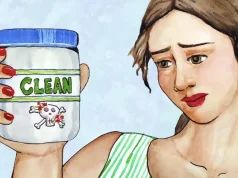
Here’s where it gets genuinely thorny. “Clean beauty” has no universal legal definition. It means something slightly different at Credo Beauty than it does at Target’s clean beauty section or Goop’s shop. Brands self-certify. Retailers set their own standards. The result is a landscape where “clean” can mean anything from genuinely rigorous ingredient exclusion to strategic greenwashing dressed in earthy packaging.
Critics including many dermatologists point out that the movement has sometimes overcorrected. The demonization of “chemicals” as a category can mislead consumers into avoiding highly effective, rigorously tested ingredients in favor of “natural” alternatives that haven’t been studied nearly as well. Poison ivy is natural. So is arsenic. The word means less than its packaging suggests.
And yet dismissing clean beauty wholesale misses something real. The legitimate concerns about cumulative exposure the idea that while any single ingredient might pose minimal risk, the combined daily load of synthetic compounds from multiple products could be worth taking seriously haven’t been resolved just because the science remains incomplete. Absence of evidence isn’t evidence of absence.
The more honest conversation isn’t “clean versus conventional.” It’s about transparency, formulation integrity, and the right to make informed choices even imperfect ones.
The Brands That Got It Right
A handful of companies didn’t just react to the clean beauty wave. They helped build it.
Beautycounter, founded in 2013, built its entire identity around a “Never List” of ingredients it refuses to use and spent years lobbying Congress for stronger cosmetic regulation. That combination commercial brand and advocacy organization was unusual enough to be genuinely disruptive. Tata Harper built a luxury skincare line rooted in farm-to-face ingredient sourcing long before that language was fashionable. Biossance leaned into biotechnology, developing squalane from sugarcane as a sustainable alternative to shark liver oil, making the science itself part of the story.
What these brands share isn’t just a cleaner formula. It’s a narrative architecture that invites the consumer in rather than asking her to trust blindly. The ingredient list isn’t the back of the package it’s the front of the pitch.
Mainstream giants noticed. Neutrogena, Olay, L’Oréal all have launched dedicated clean lines or reformulated flagship products in response to shifting demand. When the legacy industry begins adapting, you know the disruption has moved past the early adopters.
Skin as Self-Knowledge
There’s something deeper running underneath the ingredient debates, though. Something that isn’t really about parabens at all.
The clean beauty movement arrived alongside a broader cultural renegotiation of wellness a growing resistance to the idea that corporations and regulators should be trusted to define what’s safe for our bodies without question. It’s connected to the surge in interest in gut health, in functional medicine, in food sourcing. It shares a vocabulary with the organic food movement and a skepticism toward institutions that the last two decades have done little to discourage.
Skincare became personal in a new way. Not just “this works for my skin type” but “this reflects my values.” Choosing a clean product became a small act of agency a vote cast with a credit card for a different set of standards.
That’s why the clean beauty conversation keeps expanding rather than contracting. The original concerns about a handful of preservatives have grown into discussions about microplastics in waterways, about the carbon footprint of beauty manufacturing, about packaging waste, about fair trade sourcing. Each new layer reflects a consumer who understands that her purchasing decision connects outward into something larger than her bathroom cabinet.
The Formula for What Comes Next
The next frontier isn’t a particular ingredient swap. It’s a shift in evidentiary standards a push for brands to prove that their formulas are safe not just in isolation but in combination, not just in a single application but over time.
Microbiome-conscious skincare is already there, building products designed to work with the skin’s bacterial ecosystem rather than strip it. Biotech-derived ingredients lab-grown actives that require no agricultural land and no synthetic solvents are moving from niche to mainstream. Waterless formulas are rethinking preservation entirely.
The revolution, it turns out, isn’t a single event. It’s a direction.
And once consumers start asking better questions, they don’t stop. The brands that thrive in this next chapter won’t be the ones who found a clever way to check the “clean” box. They’ll be the ones who were genuinely curious about the answer.