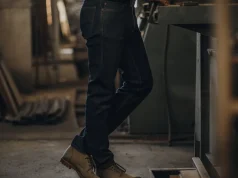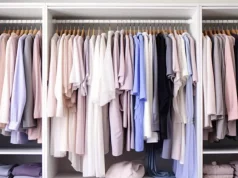

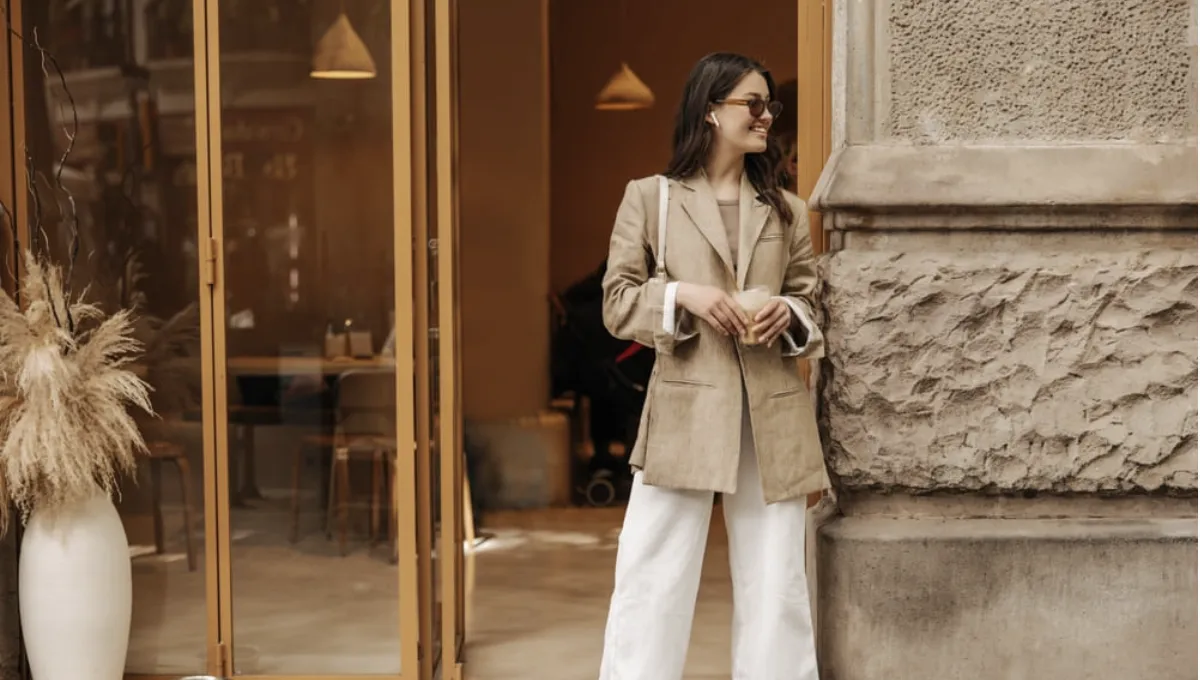
There’s a particular kind of person who walks into a room and commands attention without trying. No logos. No statement pieces. Nothing that announces itself. Just a cashmere crewneck in oatmeal, tailored trousers that break perfectly at the ankle, and leather loafers that have clearly been resoled at least once. You notice them, and then you notice that you’re not entirely sure why.
That’s quiet luxury. And for the past few years, it’s been everywhere on runways, on Pinterest boards, in the vocabulary of people who used to say “minimalist chic” and before that “understated elegance.” The aesthetic has cycled through names, but the idea remains stubbornly consistent: wealth so secure it doesn’t need to perform.
The problem, of course, is that the real version costs a lot of money.
A single cashmere sweater from Brunello Cucinelli runs anywhere from $800 to $1,500. Loro Piana’s loafers sit comfortably above $1,000. The “no-logo” tote that Bottega Veneta pioneered as a rejection of logo culture still retails for more than most people’s rent. Quiet luxury, at its source, is expensive precisely because it’s meant to be. The understatement is the flex. The price tag is just hidden.
So when the internet asks whether you can achieve quiet luxury on a budget, it’s worth sitting with the question honestly rather than rushing toward an optimistic answer. Because there are two different things being asked here. One is: can you dress with restraint, refinement, and intentionality without spending a fortune? The other is: can you replicate the actual experience of wearing clothes made by Italian artisans using century-old techniques for under $100? The first question has a real answer. The second one doesn’t.
What Quiet Luxury Actually Signals
To understand the budget version, you have to understand what the expensive version is actually communicating because it’s not just about fabric quality.
Old money aesthetics, which is the cultural root of quiet luxury, carry a very specific social message: I don’t need to try. The worn-in quality of genuinely expensive clothes, the slightly imperfect fit of something tailored rather than structured, the absence of trend all of it signals a kind of permanence. These aren’t clothes bought for a season. They’re clothes that will outlive your current apartment, possibly your current relationship, maybe even your current decade.
There’s also something deeply class-coded about not caring what’s fashionable. Fashion is, historically, something you follow when you want to signal aspiration when you’re moving upward and want people to see it. Old money doesn’t follow trends because it doesn’t need to. It simply exists, slightly above the fray.
This is uncomfortable to say out loud, but it matters: quiet luxury is partly appealing because it mimics the visual language of a class that doesn’t have to prove anything. When budget fashion advice tells you to “embrace neutrals and simple silhouettes,” it’s technically correct. But it’s also skipping over the fact that the garment itself, the weight of the fabric, the way it moves, the way it holds its shape after washing these things are harder to fake than a color palette.
Where Budget Actually Works
That said, the gap between aspirational and achievable is much smaller than the luxury industry would prefer you to believe.
The biggest leverage point is fit. A $40 linen shirt from a fast fashion brand, tailored by a local tailor for another $20, will look significantly better than a $300 shirt worn off the rack at the wrong size. Tailoring is the single most underused tool in mainstream fashion, and it’s also one of the most democratic a good hem, a taken-in waist, shortened sleeves. These alterations don’t cost much, and they close most of the visual distance between a budget piece and a premium one.
Fabric selection is the next honest conversation. Not all synthetics are equal, and not all natural fibers are automatically quiet luxury. A thin, pilling wool blend doesn’t read the same as a dense, cold-weather cashmere, even if both are technically “wool.” The budget version of this game is learning to evaluate fabric by feel and behavior: how does it drape? Does it hold structure or go limp? Does it attract lint aggressively? Thrift stores and secondhand platforms are genuinely useful here because older garments particularly from the 1980s and 90s were often made with heavier fabric weights that you’d now pay a premium for new.
Shoes, belts, and bags deserve more attention than most budget fashion advice gives them. Accessories are where the quiet luxury aesthetic either holds or falls apart. A beautifully simple outfit paired with heavily branded sneakers or a nylon crossbody with visible logos reads as trend-chasing rather than understated. This doesn’t mean you need to spend $1,000 on leather goods it means being selective and patient. One quality leather belt, one structured bag in a neutral, one pair of leather shoes that can be resoled. These are long-term investments rather than seasonal purchases.
The Secondhand Argument Is Real, But It Has Limits
The resale market has genuinely democratized access to quality. You can find a Loro Piana sweater on Vestiaire Collective for a fraction of its original price. A Ralph Lauren Purple Label blazer oneBay. Church’s shoes that need a polish and new heel tips for $80. If quiet luxury is the goal, secondhand luxury is the most direct route to it the actual fabric, the actual construction, the actual longevity at prices that approach budget territory.
But this requires time, knowledge, and a tolerance for the hunt. You have to know what you’re looking at. You have to understand condition grades, spot repairs, know which brands hold up and which fall apart. And you have to be willing to shop without instant gratification, which runs entirely counter to how most people currently buy clothes.
There’s also a subtler issue. The secondhand market for quiet luxury has gotten more competitive as the aesthetic has gone mainstream. The deals that existed five years ago are harder to find. Platforms have gotten better at pricing, resellers have gotten more sophisticated, and anything that photographs well for Instagram now carries a premium that didn’t used to exist.
The Mindset Shift That Nobody Mentions
The most honest version of quiet luxury on a budget isn’t about finding cheaper versions of expensive things. It’s about fundamentally changing your relationship with shopping.
The wealthy people who originated this aesthetic didn’t update their wardrobe seasonally. They accumulated slowly, kept things a long time, and let the wardrobe develop a kind of cohesion that comes only with time. The oatmeal cashmere feels different after three years of wearing it than it did in the store it softens, it molds slightly to the body, it develops what the French call a patina of use. That quality cannot be purchased. It can only be waited for.
This is probably why budget quiet luxury attempts often feel slightly off in a way that’s hard to articulate. It’s not just the fabric weight or the tailoring or the price of the shoes. It’s that the wardrobe looks assembled rather than accumulated. Everything is too consistent, too intentional, too recently purchased. Real quiet luxury has some randomness in it the jacket from fifteen years ago that still works perfectly, the shoes bought in a foreign country, the belt that belonged to someone’s father.
You can approximate the visual grammar of quiet luxury on a budget. Neutrals, clean lines, quality leather goods bought secondhand, tailored fit, restraint from logos and trend. These are achievable without a luxury budget. What you can’t purchase, at any price point, is the easy indifference of someone who genuinely doesn’t need to think about it.
That gap is real. It’s worth knowing it exists not to feel discouraged, but because understanding the actual source of the aesthetic helps you take what’s genuinely available and leave behind what’s just mythology.