
There’s a jacket you bought last spring. Maybe you told yourself it was practical, or that the color worked well with what you already owned. But somewhere, months before you ever walked into that store, someone with a camera in their face wore something almost identical and that moment, that image, quietly did its work on you.
This isn’t about conscious imitation. Most people would bristle at the suggestion that they dress like their favorite celebrity. The interesting thing is that influence at this scale rarely announces itself. It moves through the culture like a slow current, reshaping preference before you’ve had the chance to form an opinion of your own.
The Architecture of Aspiration
Celebrity fashion influence didn’t begin with Instagram. It goes back decades to the bobby-soxers who mimicked Audrey Hepburn’s cropped trousers, to the countless teenagers who replicated James Dean’s white T-shirt and jeans combination in the 1950s. What thoseeras had in common with today is the same psychological machinery: we pattern ourselves after people we admire, and admiration has always had a visual language.
What changed is the speed and intimacy. A celebrity in the 1970s reached you through a magazine spread, shot months in advance, edited down to a handful of images. Today, Zendaya steps out of a car and within forty-five minutes the coat she’s wearing is being searched on Google by hundreds of thousands of people. The gap between seeing and wanting has collapsed almost entirely.
Psychologists call this parasocial influence the tendency to feel genuine connection with public figures you’ve never met. When that connection is strong enough, it creates a kind of borrowed identity. Wearing what they wear isn’t imitation so much as affiliation. It says something about who you want to be, not just what you want to look like.
The Machine Behind the Moment
Here’s what most people don’t see: that “candid” airport photo isn’t always candid. The relationship between celebrities and fashion houses runs deep, and much of what looks like personal style is actually a negotiated exchange. Brands loan clothes, pay for placement, or enter formal partnerships all designed to generate exactly the kind of organic-looking visibility that advertising can’t buy.
When a major pop star wears a relatively unknown designer to a high-profile event, the designer’s website often crashes within the hour. The industry has a term for it: the “celebrity effect.” But the machinery is more deliberate than the term implies. Stylists receive lookbooks. Publicists field requests. Gifting suites at award shows aren’t just hospitality they’re calculated seeding operations. By the time you see the outfit and feel drawn to it, a quiet negotiation has already taken place upstream.
None of this makes the outfit less real, or your attraction to it less genuine. But it does complicate the story of personal taste. What we think of as our own aesthetic is constantly being tended by forces we never see.
How Trends Actually Travel
The conventional image of a trend is a pyramid: designers at the top, celebrities in the middle, the mass market at the bottom. A look debuts on a runway, a celebrity adopts it, the public follows. That model still operates, but it’s been complicated by something more interesting.
Social platforms have created multiple simultaneous streams of influence. A streetwear trend might originate not with a designer but with a specific basketball player’s courtside wardrobe, get amplified by fan accounts and styling pages, and only then get absorbed back into high fashion as something “fresh.” Billie Eilish’s oversized silhouette aesthetic in her early career wasn’t handed down from a runway it was her own, and then brands scrambled to supply the demand it created.
The direction of influence has become genuinely bidirectional. Celebrities still shape culture, but they’re also being shaped by it watching what resonates on their own social feeds, adjusting in real time. When Harry Styles wore a lace blouse on a magazine cover and the internet responded with overwhelming enthusiasm, it wasn’t just a statement about gender and fashion it was data. Data that the industry absorbed and acted on within a single season.
The Invisible Channels
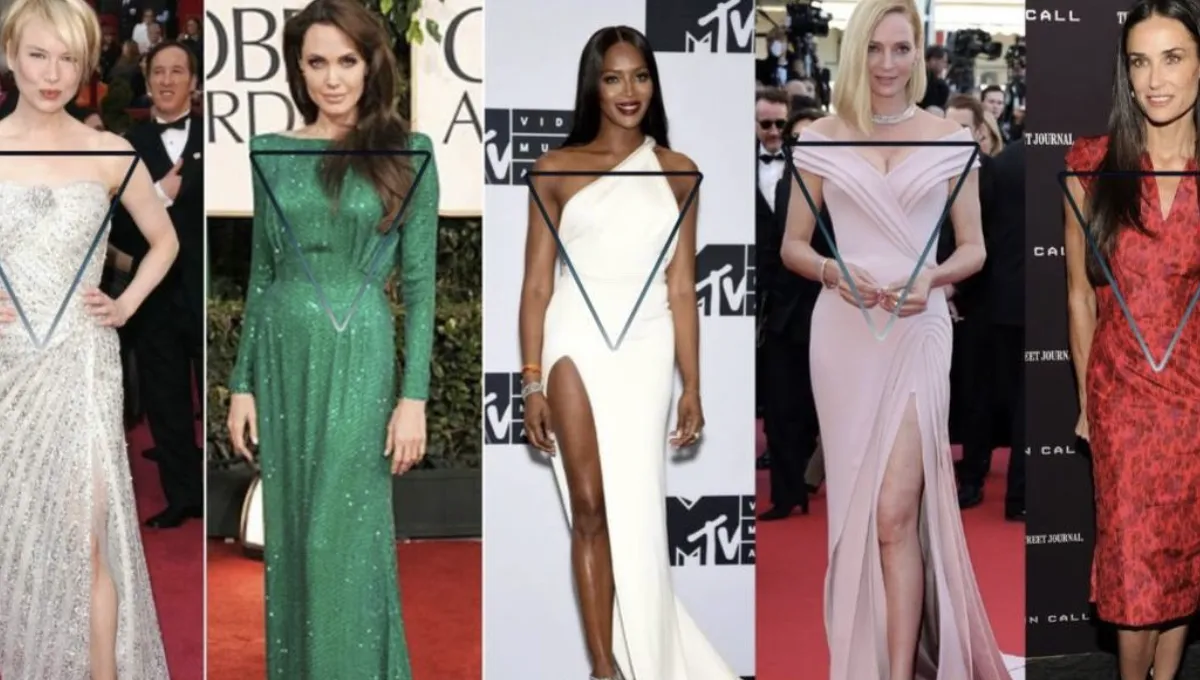
Beyond the obvious mechanics of celebrity dressing, there are subtler transmission routes. Color psychology is one. When a widely photographed public figure cycles through a particular palette say, the muted earth tones that dominated red carpet appearances around 2021 those colors gradually begin to feel like the right choice. Not because anyone told you so, but because they’ve accumulated a sense of cultural legitimacy through repeated, high-status association.
Body language matters too. The way a celebrity holds themselves in a particular silhouette slouchy blazer thrown over one shoulder, oversized suit worn with genuine ease signals that the look is habitable. That it can be carried with confidence. Clothes photographed on insecure or awkward bodies don’t travel well, which is why brands invest so heavily in the casting of their celebrity partnerships.
Then there’s the long game of editorial repetition. Fashion magazines, still powerful even in their digital form, create what cultural theorist Stuart Hall might have called “preferred readings” they frame certain looks as current, certain looks as dated, and they use celebrity imagery to anchor those judgments. When the same aesthetic appears across multiple major publications in a single month, it doesn’t feel like a coordinated campaign. It feels like consensus. It feels like reality.
Taste, and Who Gets to Have It
There’s a harder question lurking inside all of this. If our taste is so thoroughly shaped by external forces by celebrity influence, by industry seeding, by the accumulated pressure of editorial repetition then what does “personal style” actually mean?
The honest answer is that it’s more porous than we like to admit, and less porous than the most cynical reading would suggest. We do make genuine choices. The specific way you combine influences, the things you reach for when you’re not thinking about it, the single piece in your wardrobe that feels most like you these aren’t illusions. But they don’t exist in a vacuum, and they never did.
What celebrity fashion influence really illuminates is how culture has always worked: through aspiration, through imitation, through the deep human tendency to look at someone we find compelling and think, even half-consciously, that we’d like to exist in that way. The celebrities have changed, the speed has changed, the commercial infrastructure has grown far more sophisticated. But that fundamental dynamic is as old as the first person who noticed that someone else was wearing something remarkable.
The jacket you bought last spring it’s still yours. The choice still meant something. But the full story of why you wanted it begins somewhere you probably weren’t watching.